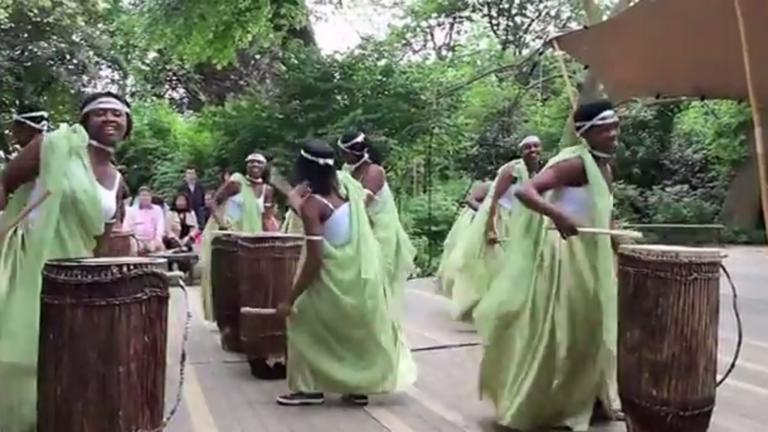

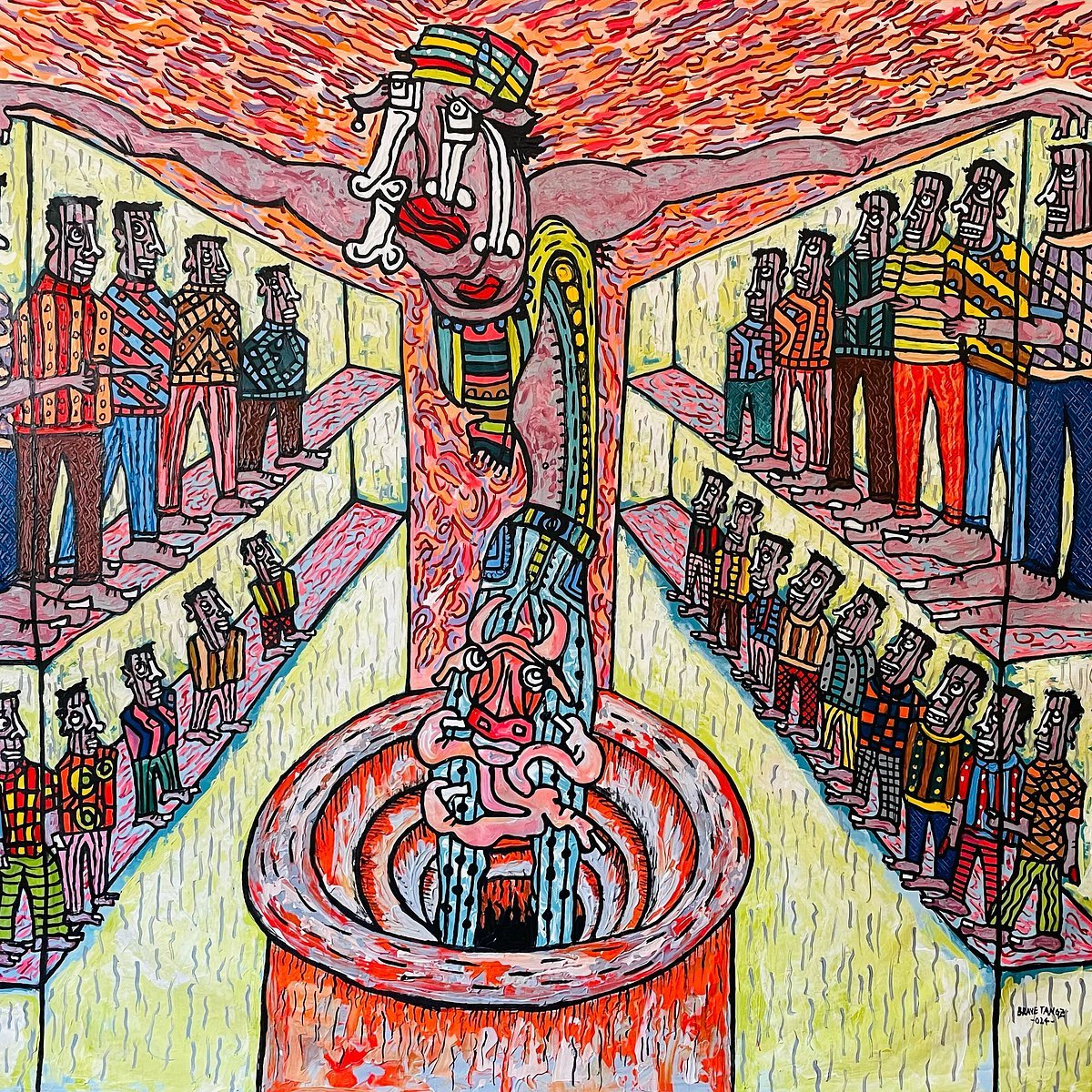
Walk through Kigali’s streets today and the city’s creative energy is hard to miss: murals on construction hoardings, gallery openings that draw crowds, and studios where painters work in the open. Rwanda’s contemporary art scene has moved from the margins to the centre of the country’s cultural identity.
The shift is generational. A cohort of artists born around the time of the 1994 genocide has come of age with something urgent to say — about memory, identity, and a country that has changed faster than almost any other. Their work is rooted in local materials and traditions but speaks in a global visual language.
The spaces that built the scene
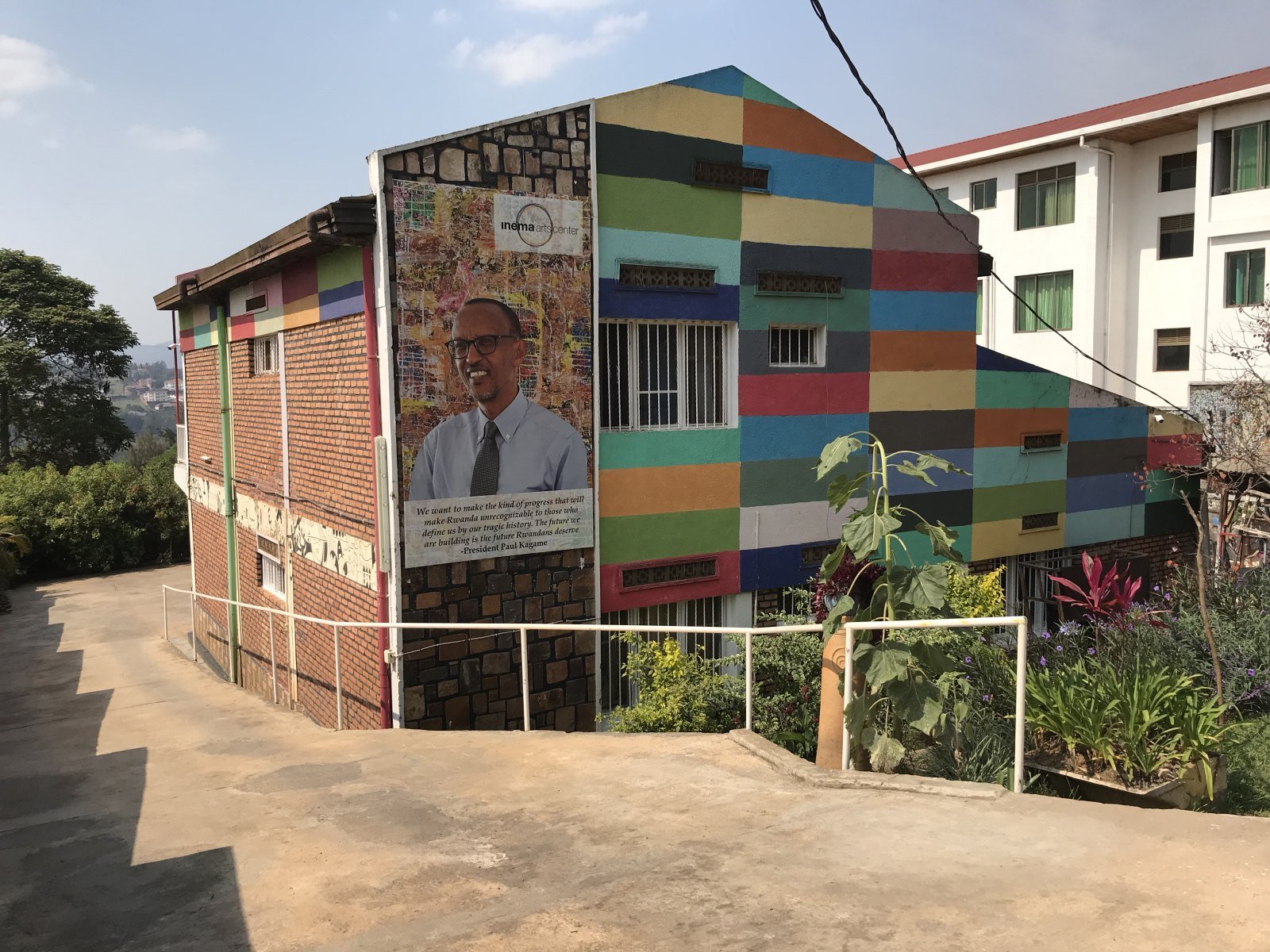
Ivuka Arts, founded in Kigali’s Nyamirambo neighbourhood, is often credited as the birthplace of the modern scene. Its collective model — shared studio space, exhibitions, and training for young artists — has produced many of the names now showing internationally. Nearby, Inema Arts Center combines galleries, studios, and performance space, and has become a fixture on the city’s cultural calendar.
Put your brand in front of 12,000 engaged readers
Display · Newsletter · Sponsored features
Uburanga Arts Studio and Kigali Arts Center provide further platforms, while commercial galleries and hotel collections have created the beginnings of a domestic market. The Kigali Triennial, launched in 2025, brought international curators and collectors to the city for the first time at scale.
Rwandan art is having a conversation with the world. We’re not just making beautiful things — we’re documenting our history, our pain, and our joy on canvas.
Imigongo and the search for a local language
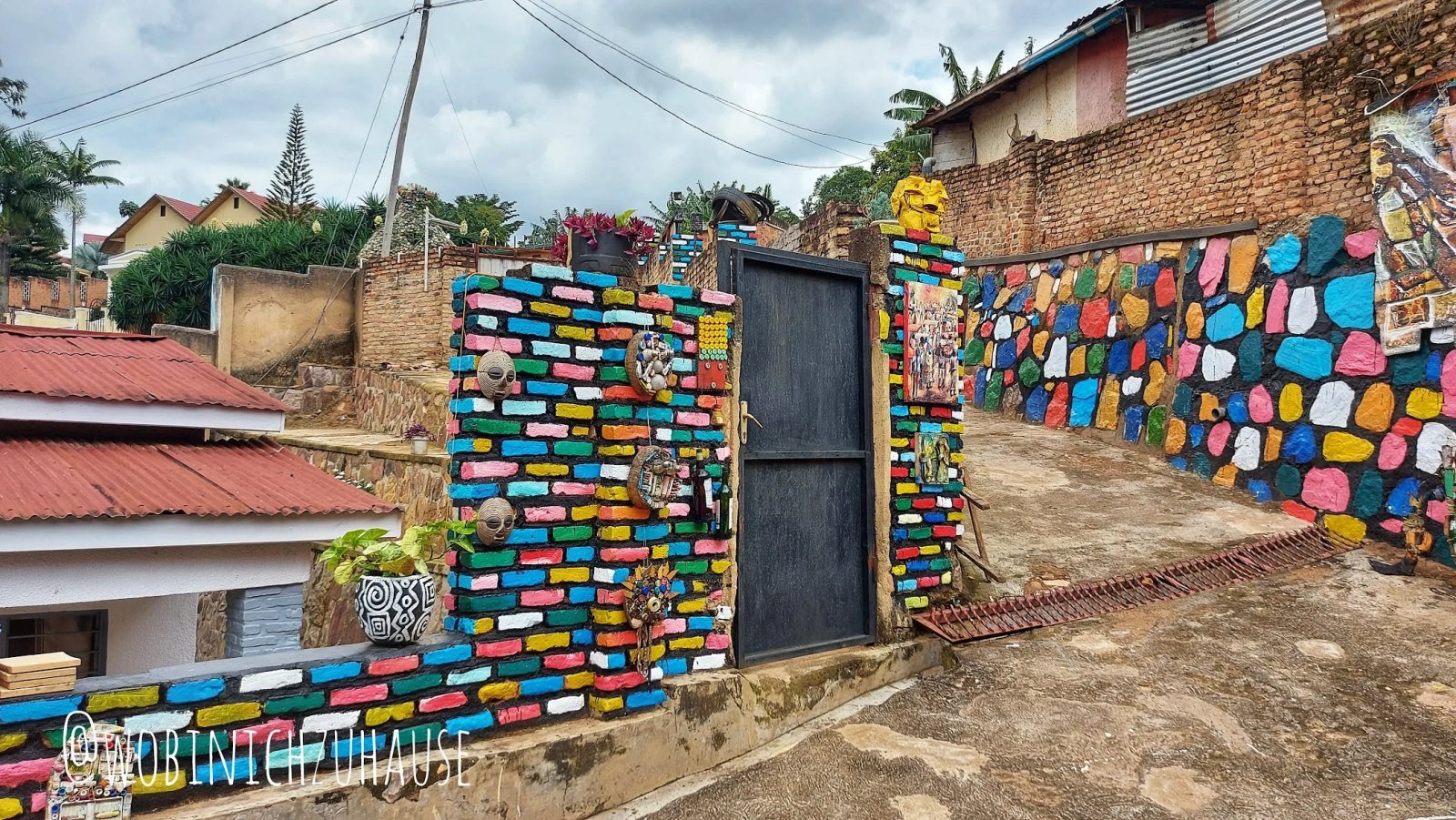
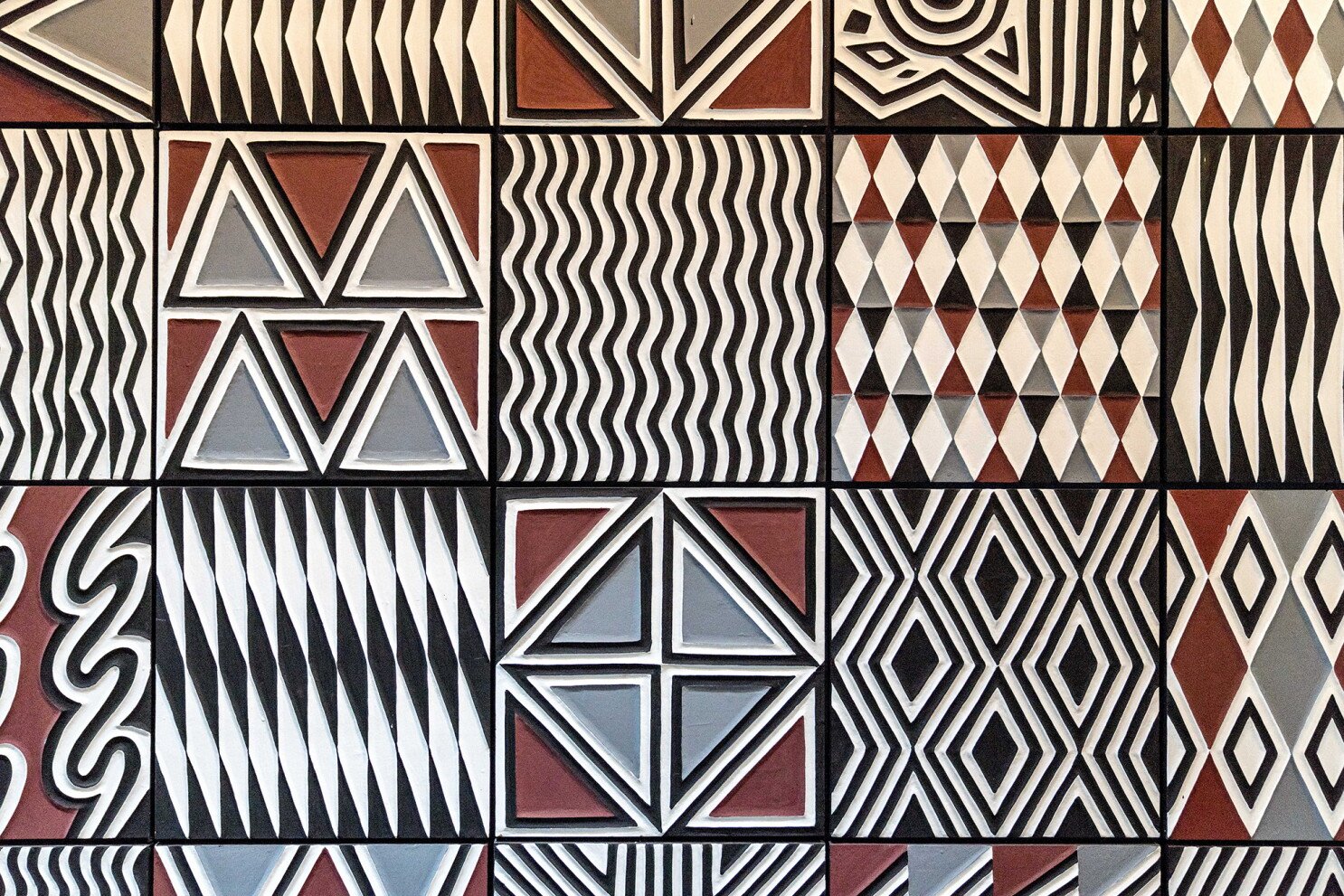
Many artists are revisiting Imigongo, the geometric cow-dung art form traditionally painted on walls in the country’s east. Once dismissed as folk craft, it is now a source of pattern and motif in contemporary painting, sculpture, and design. The revival is part of a broader project: building a visual language that is unmistakably Rwandan rather than borrowed.
Materials follow the same logic. Recycled metal, bottle tops, fabric offcuts, and volcanic stone appear frequently in sculpture and mixed media — partly for cost, partly for meaning. Artists describe waste as a subject as much as a medium in a country that has made cleanliness and recycling national priorities.
The market problem
Talent has outrun infrastructure. Rwanda still has few collectors relative to the volume of work being produced, and gallery representation is thin. Most artists sell through studios, Instagram, and occasional exhibitions abroad. Prices remain low by international standards, which makes it hard to sustain a practice.
- Where to see work: Ivuka Arts and Inema Arts Center in Kigali, plus the Kigali Triennial during its run
- What to look for: Imigongo-influenced abstraction, recycled-material sculpture, and photographic work on memory
- How to buy well: visit studios, ask about provenance and edition sizes, and buy from the artist or a reputable gallery
What comes next
The next step is institutional. A national gallery, stronger arts education, and a collector base that buys consistently rather than occasionally would let the scene mature beyond its current momentum. Several private initiatives are working on exactly that.
For now, the energy is unmistakable. In studios across Kigali, artists are working at a pace that suggests they know this moment may not come twice — and that the story of Rwandan art is finally being told by Rwandans.