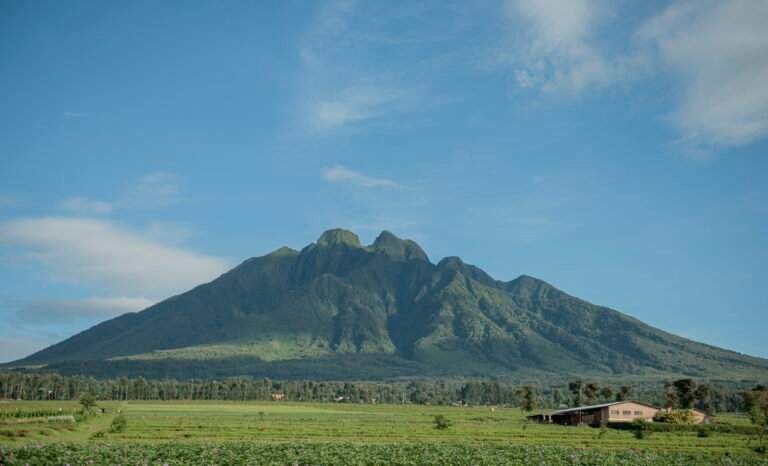

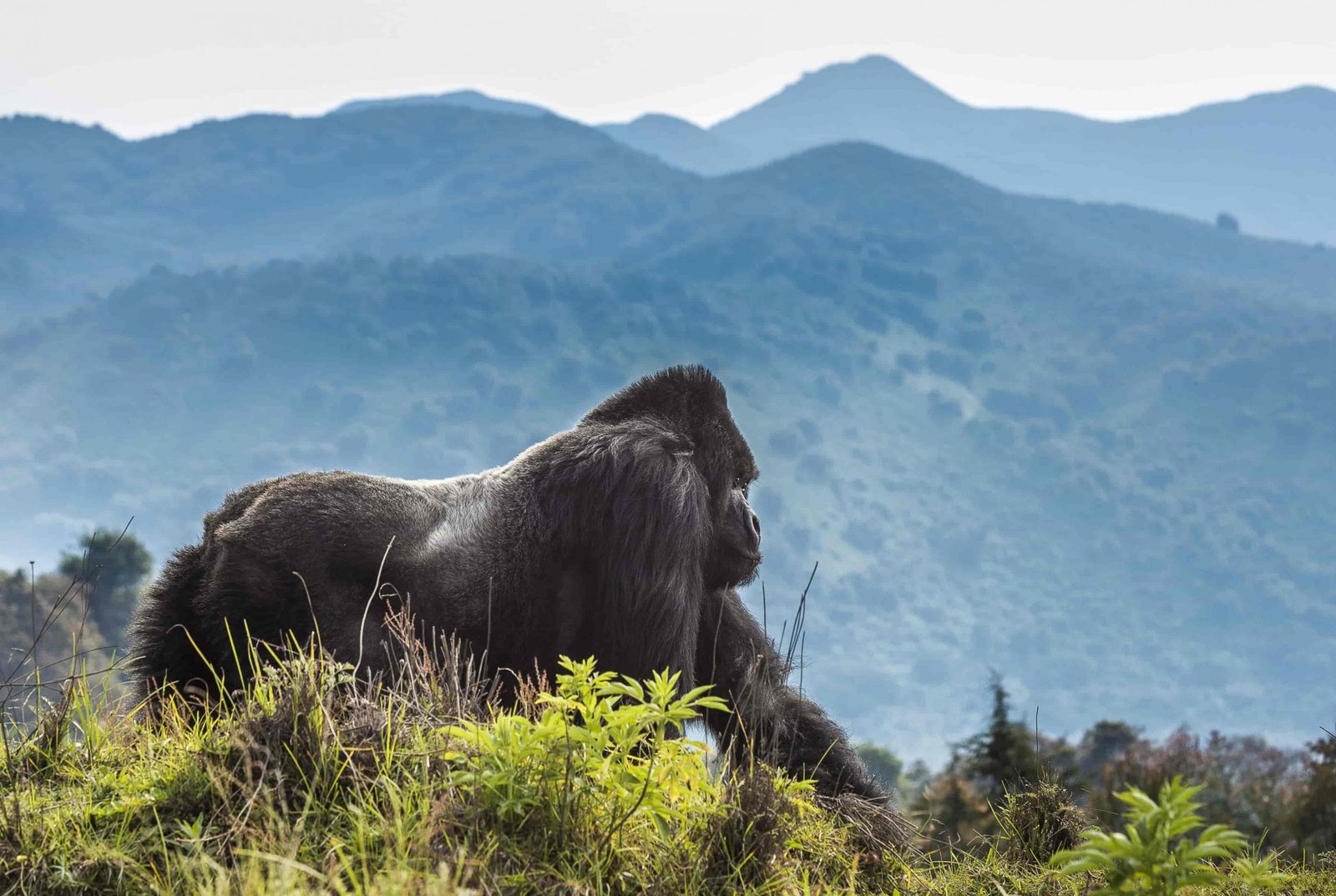
Volcanoes National Park sits in Rwanda’s northwest corner, a 160-square-kilometre patch of bamboo forest and alpine meadow that climbs the slopes of five volcanoes. It is the most famous place on earth to see mountain gorillas, and one of the most tightly managed protected areas in Africa.
The park is part of the larger Virunga massif, which spans Rwanda, Uganda, and the Democratic Republic of Congo. Its altitude ranges from about 2,400 metres at the base to the 4,507-metre summit of Karisimbi. Mornings are cold, afternoons can be hot, and rain is possible in any month.
Gorilla trekking: what actually happens
Permits are limited to eighty visitors per day, each assigned to one of the habituated gorilla families. Book months in advance for high season. The day begins early at the park headquarters in Kinigi, where visitors are briefed, grouped, and matched with a ranger-guide and trackers.
Put your brand in front of 12,000 engaged readers
Display · Newsletter · Sponsored features
Treks can last anywhere from one to six hours depending on where the family has moved. Porters — local residents who carry bags and help on steep ground — are a central part of the experience and an important source of income. Once the group is located, visitors spend exactly one hour with the gorillas, a rule enforced strictly to protect the animals.
The experience of sitting among a gorilla family as infants play and silverbacks watch over them is unlike anything else in the natural world.

Beyond the gorillas
The park offers more than the headline activity. Golden monkey treks are shorter and livelier, following troops through bamboo. The hike to the crater lake on Mount Bisoke takes most of a day and rewards climbers with views across the massif. Cultural visits to nearby communities — including the Gorilla Guardians village — add context to the conservation model.
- Gorilla permit: $1,500 for international visitors; book through RDB or a licensed operator
- Golden monkey permit: around $100
- Bisoke hike: roughly $75 plus guide fees
- Best months: June–September and December–February for drier trails

Practical preparation
Fitness matters more than experience. Trails are steep, muddy, and at altitude. Bring broken-in boots, long trousers tucked into socks, gloves for grasping vegetation, a rain jacket, and at least two litres of water. Camera equipment should be protected from rain and mist.
Altitude is the most common problem: at 2,500 metres and above, visitors unused to it tire quickly. Arriving a day early, staying hydrated, and avoiding alcohol the night before all help.

The conservation dividend
Rwanda’s model directs a share of tourism revenue to communities around the park, funding schools, water projects, and compensation for crop damage. The mountain gorilla population in the Virunga massif has grown from roughly 250 in the 1980s to over a thousand today — one of the few great-ape populations that is increasing.
That success has made the park a template for high-value, low-volume tourism across the region. It also means the experience is expensive and carefully controlled. For visitors, the trade-off is straightforward: fewer people, higher prices, and an encounter with wild gorillas that remains, for most, the highlight of a lifetime.