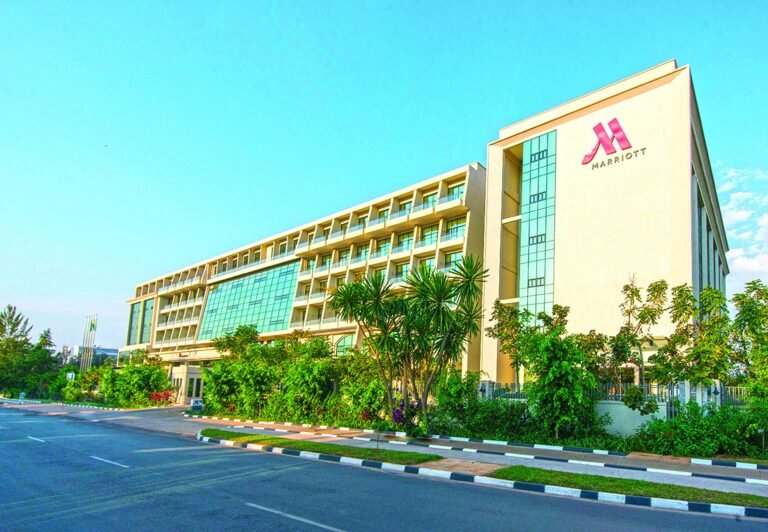

By evening, Kigali changes pace. Tables fill up, rehearsal rooms open, and conversations that started over coffee turn into plans for exhibitions, music, fashion, film, and design.
That is the part of the city’s creative economy that is easy to miss. It is less about one big institution and more about people finding one another, sharing space, and making something that can pay its way.
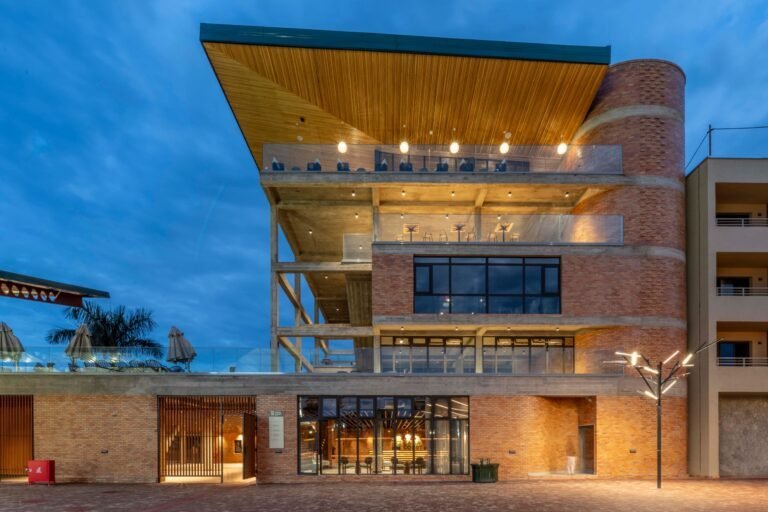
A city making room for ideas
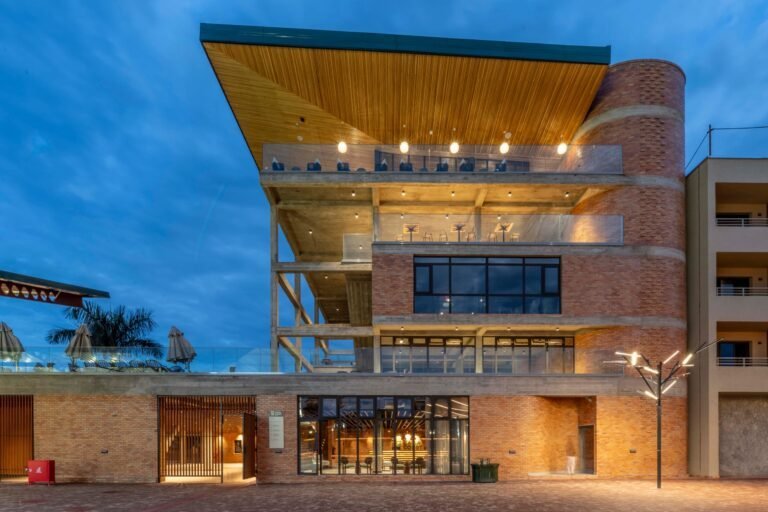
Kigali is small enough for people in different fields to keep running into each other. An architect might meet a photographer at a talk. A musician might find a filmmaker through a friend. A designer might test a new idea at a weekend market.
Put your brand in front of 12,000 engaged readers
Display · Newsletter · Sponsored features
Those connections matter. They turn a creative interest into a project, and sometimes turn a project into a business.
Culture that keeps moving
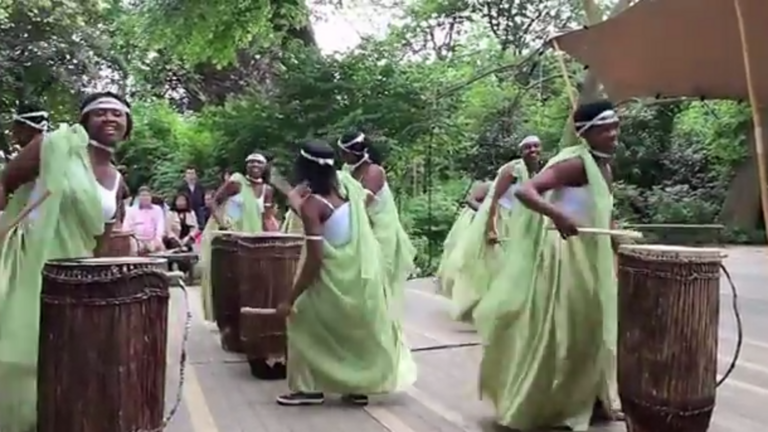
Rwanda’s traditions are still present in the music, dance, clothing, food, and visual art being made today. But younger creators are not treating culture as a museum piece. They borrow from it, question it, and put it in conversation with sounds and ideas from the rest of East Africa.
That mix gives local work its character. It also gives artists a way to speak to audiences beyond Rwanda without having to leave their own stories behind.
Where the work happens
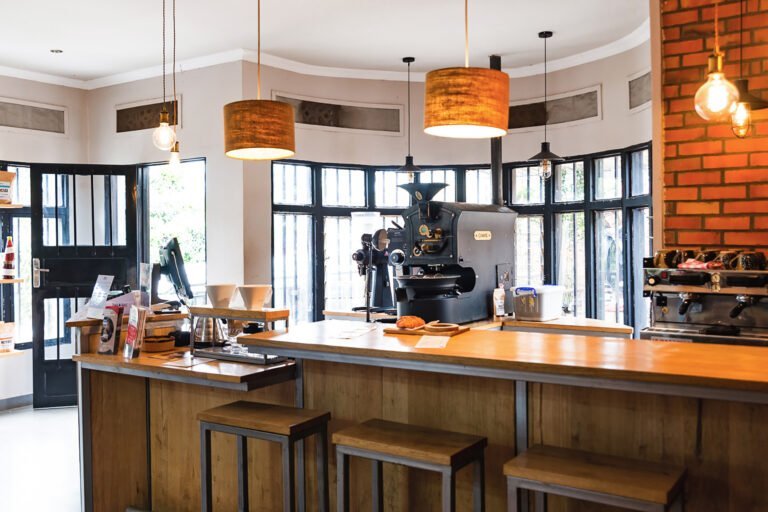
A creative scene needs rooms as much as it needs talent. Cafés, studios, galleries, markets, cultural centres, and small venues give people somewhere to meet, work, perform, sell, or simply see what others are doing.
Many useful introductions happen in these ordinary places. A conversation at a café can lead to a commission. A market stall can become a shop. A small performance can introduce an artist to an audience that had never heard their work.
What creators still need
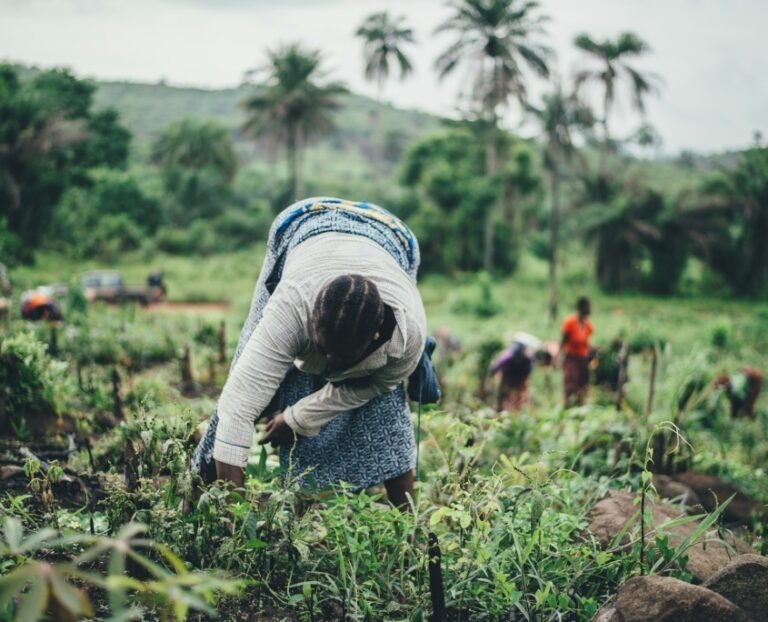
Talent is not the only issue. Creators also need affordable workspaces, equipment, training, reliable ways to sell their work, and access to audiences across the region. Those needs can be easy to overlook when the finished exhibition or performance is the only part the public sees.
Investment would help, but so would better links between schools, businesses, cultural organisations, and independent creators. A stronger local market would give more people a reason to stay with creative work for the long term.
A city telling its own story
Kigali’s creative economy is still young. It is also practical and restless. People are building careers from the things they know, the places they share, and the stories they want to tell.
After dark, the city’s creative life is not hard to find. It is in the rehearsal room, the crowded café, the market stall, and the late conversation about what to try next.
Read more in The Eye’s Culture section and Business section.