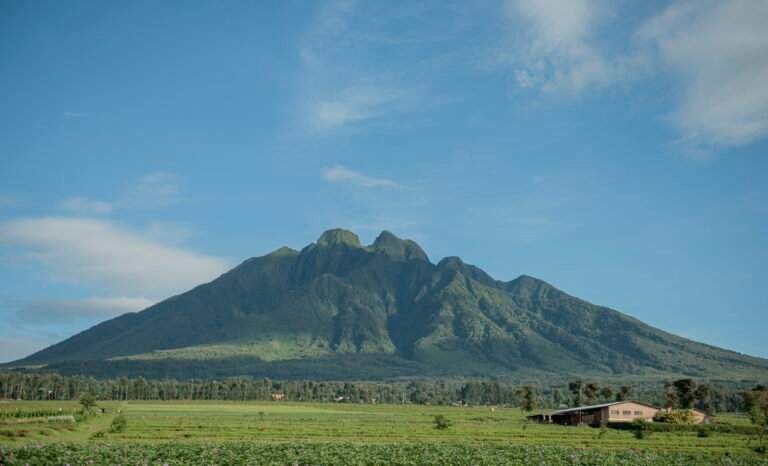

Nyungwe Forest has stood for longer than almost any rainforest in Africa. Its canopy — a rolling sea of green mist in Rwanda’s southwest — shelters more than a thousand plant species, hundreds of bird species, and thirteen primate species, including chimpanzees.
The park covers roughly 1,000 square kilometres of mountain rainforest, ranging from about 1,600 to 2,950 metres in altitude. It is also one of the most important catchment areas in the region, feeding rivers that supply a large share of Rwanda’s water.
The canopy walkway
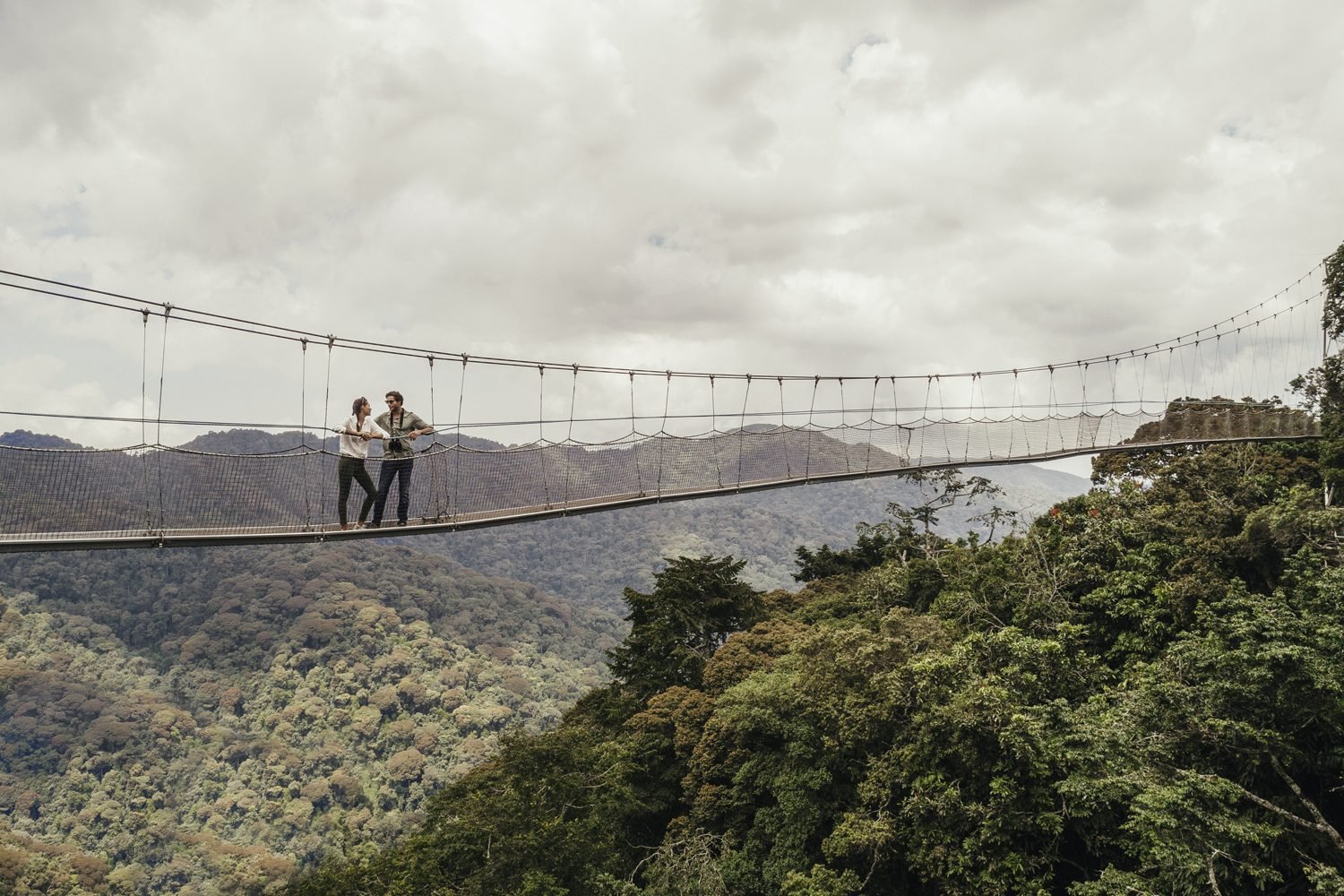
Nyungwe is best known for its canopy walkway, a 160-metre suspension bridge that hangs about 50 metres above the forest floor. Stepping onto it at sunrise, with golden light cutting through the mist below, is one of the great experiences of African travel.
Put your brand in front of 12,000 engaged readers
Display · Newsletter · Sponsored features
The bridge is reached by a short hike from the Uwinka visitor centre. Guides point out orchids, ferns, and the occasional blue monkey troop moving through the upper canopy.
Nyungwe reminds you that conservation and tourism can grow together.

Primates, birds, and trails
Chimpanzee tracking is the park’s other headline activity, requiring an early start and a reasonable level of fitness. Colobus monkey troops — which can number in the hundreds — are easier to find and spectacular when they move. Birders come for species found nowhere else in Rwanda, including the great blue turaco.
- Canopy walkway: roughly two hours including the hike, best at opening time
- Chimpanzee tracking: book ahead; success rates are high in the dry season
- Waterfall trails: longer hikes to the park’s cascades, up to a full day
- What to bring: rain jacket, sturdy shoes, long trousers, and plenty of water

Tea, coffee, and communities
Nyungwe’s buffer zone is farmland, and tea plantations skirt the forest edge. Several cooperatives offer tours, and the drive along the park’s western boundary — with tea fields on one side and rainforest on the other — is one of the country’s most scenic routes.
Community tourism projects around the park employ local guides and run cultural visits, channelling some tourism income to households that once depended on the forest for timber and charcoal.

Conservation under pressure
Nyungwe was once shrinking. Today, as a national park with tourism revenue and international support, its boundaries are being strengthened and its wildlife monitored. A new generation of guides — many from surrounding villages — are among its fiercest defenders.
The forest’s value is increasingly measured in water, carbon, and biodiversity as well as visitors. For travellers, the reward is a genuinely wild place: wet, green, loud with birdsong, and old beyond reckoning.