
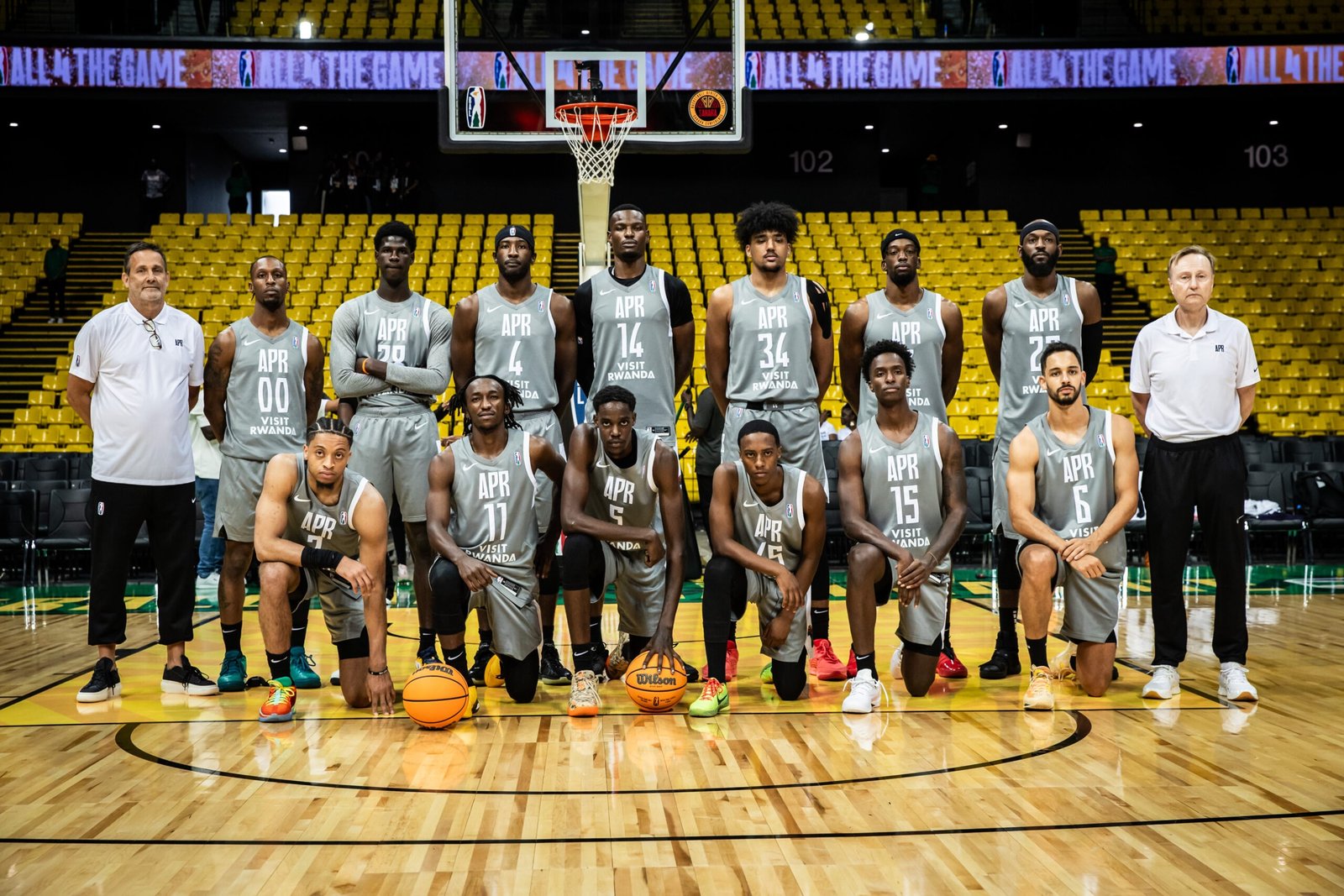
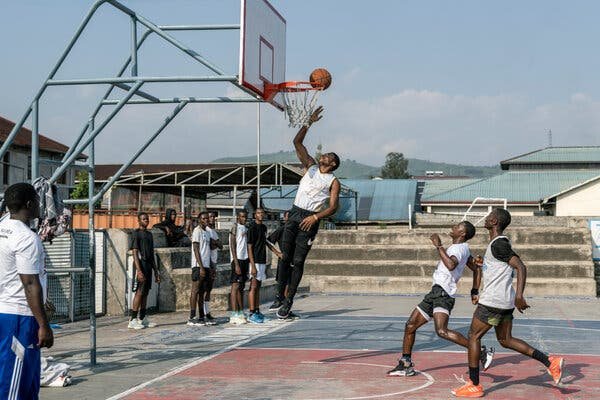
On courts across Kigali, something is changing. Evening pick-up games that once drew a handful of players now pack dozens. School leagues are expanding. And for the first time, Rwandan players are appearing on the rosters of American college programmes.
Basketball’s rise in Rwanda is not accidental. A decade of investment in courts, coaching, and youth programmes is beginning to compound — and the national team’s performances in continental qualifiers have given the sport a stage.
A pipeline, not a moment
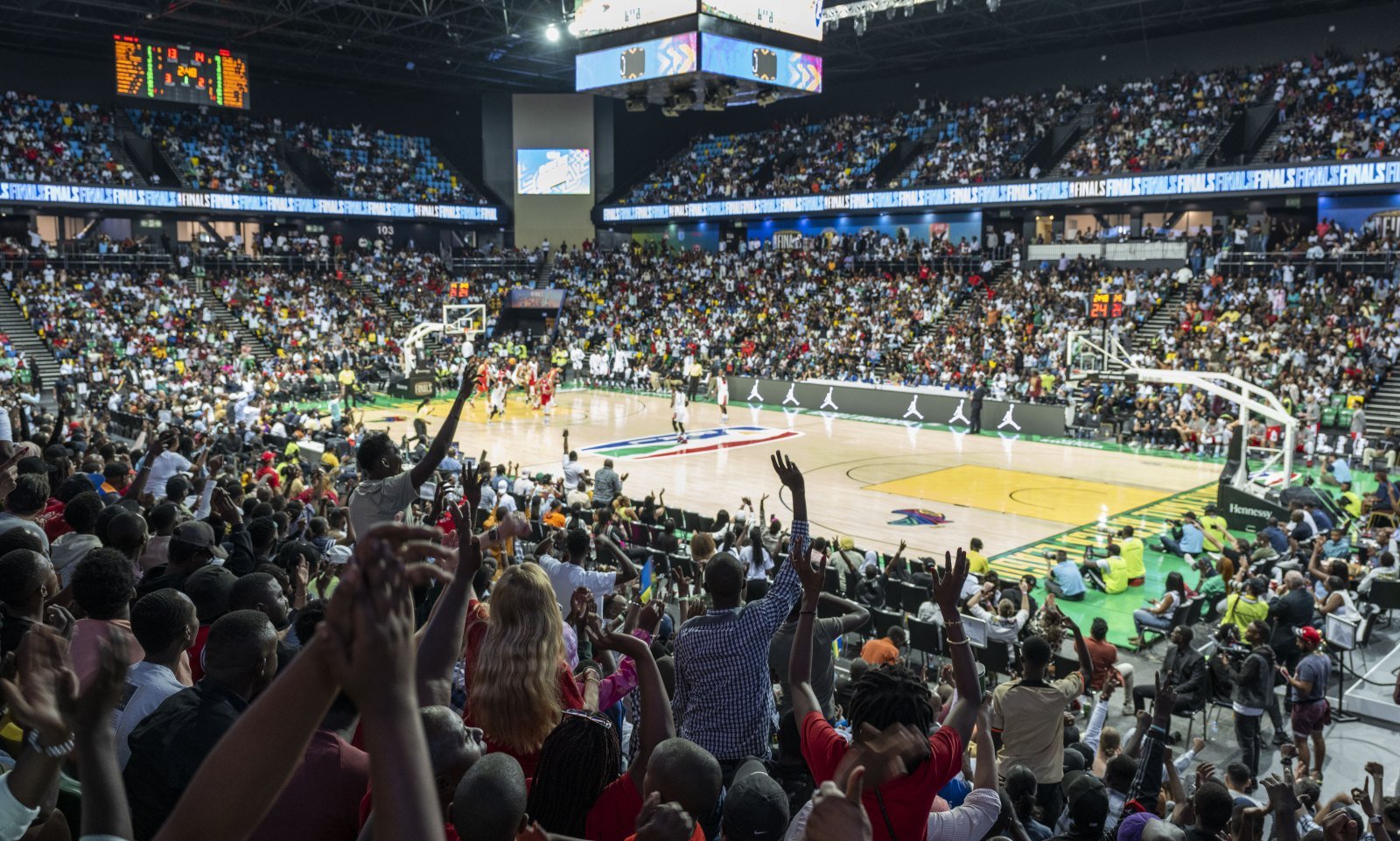
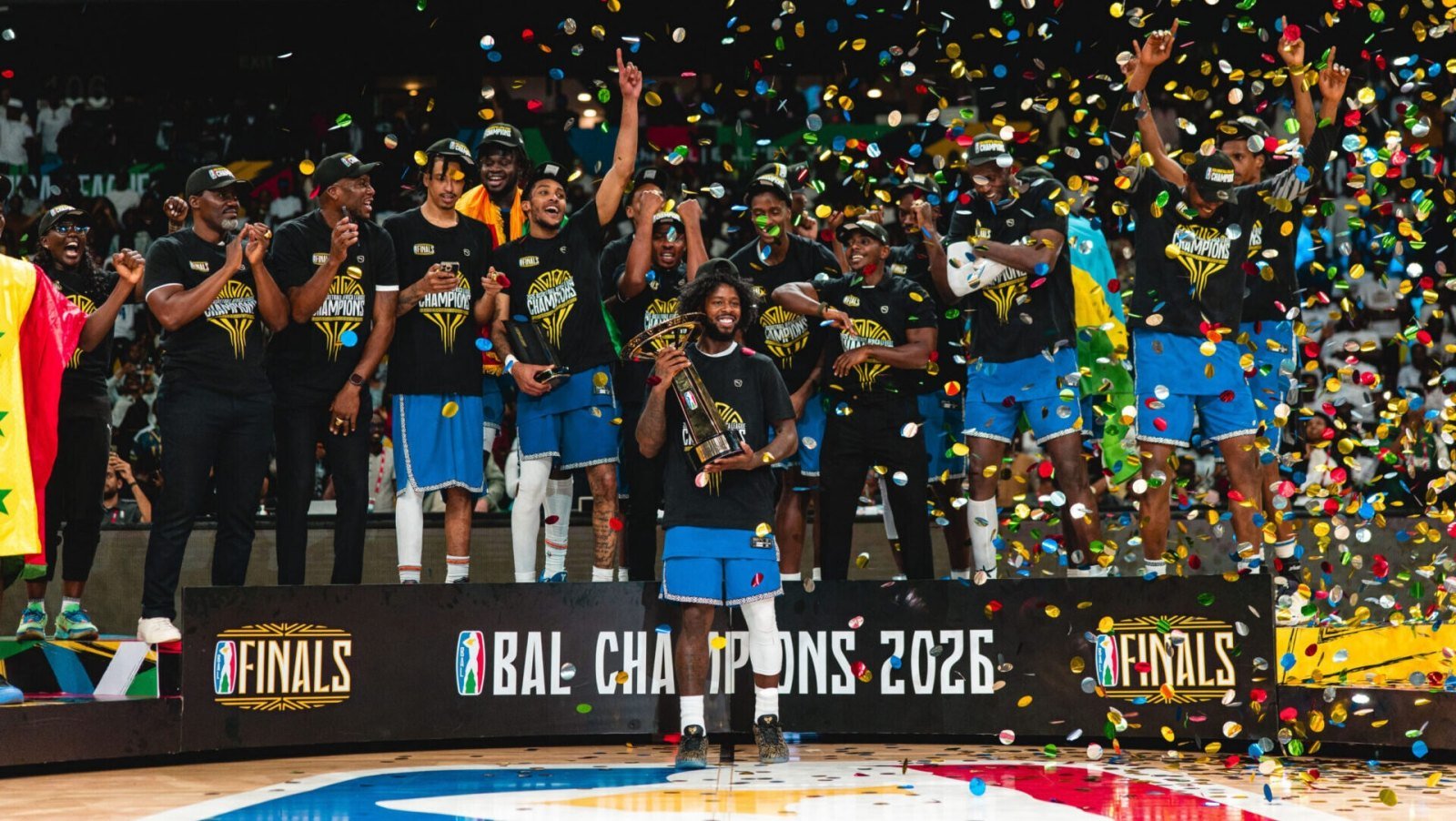
The key has been building pathways. The Basketball Africa League brought professional basketball to Kigali’s arenas, exposing local players to continental competition and giving sponsors a reason to invest. Meanwhile, grassroots academies now feed a growing domestic league with players who have trained systematically since childhood.
Put your brand in front of 12,000 engaged readers
Display · Newsletter · Sponsored features
School competition has expanded too, with inter-school leagues and national championships providing a route from playground to club. Coaches say the difference is visible in fundamentals: ball handling, spacing, and defensive discipline that were rare a decade ago.
Ten years ago we were teaching fundamentals. Now we are competing for continental spots.
What’s driving it
- Infrastructure: new indoor courts and upgraded outdoor facilities
- Competition: BAL games in Kigali raising the standard and the profile
- Coaching: certified local coaches and international clinics
- Scholarships: pathways to US colleges and regional academies
The professional layer
Domestic clubs have become more professional, with better training schedules, medical support, and player contracts. Sponsorship from banks, telecoms, and beverage companies has grown, though budgets remain modest by regional standards.
For players, the goal is a contract — in the BAL, in North Africa, or in Europe. Each success story pulls the next generation forward, and families that once pushed children towards football now see basketball as a viable path.
What’s still missing
Facilities outside the capital are the biggest gap. Courts in Musanze, Huye, and Rubavu lag behind Kigali’s, limiting the talent pool. Coaching depth is another constraint: good coaches are concentrated in a few clubs and schools.
Women’s basketball is growing but under-resourced, with fewer teams, fewer competitions, and less media coverage. Closing that gap is the clearest opportunity in the sport.
The next five years
The ambition is straightforward: qualify regularly for continental tournaments, place more players in professional leagues abroad, and build a domestic league strong enough to keep talent at home. None of it requires miracles — only continued investment in the foundations already being laid.
For a country that already punches above its weight in cycling and football, basketball may be the next sport it exports. On the courts of Kigali, the work has already begun.