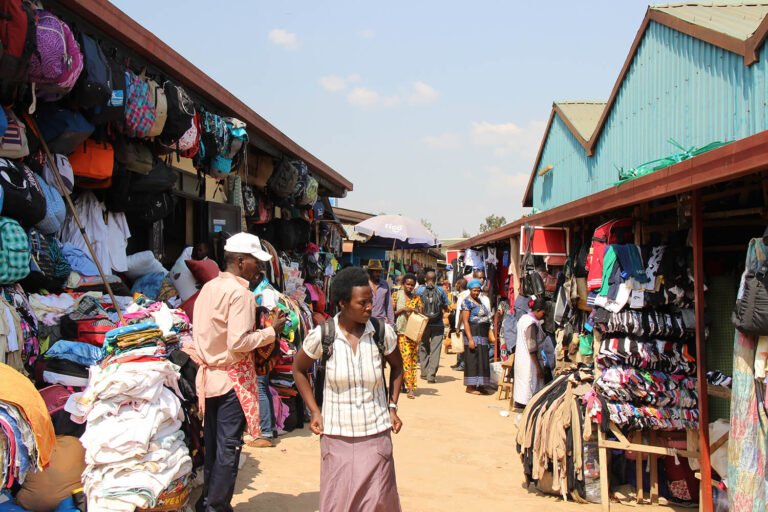

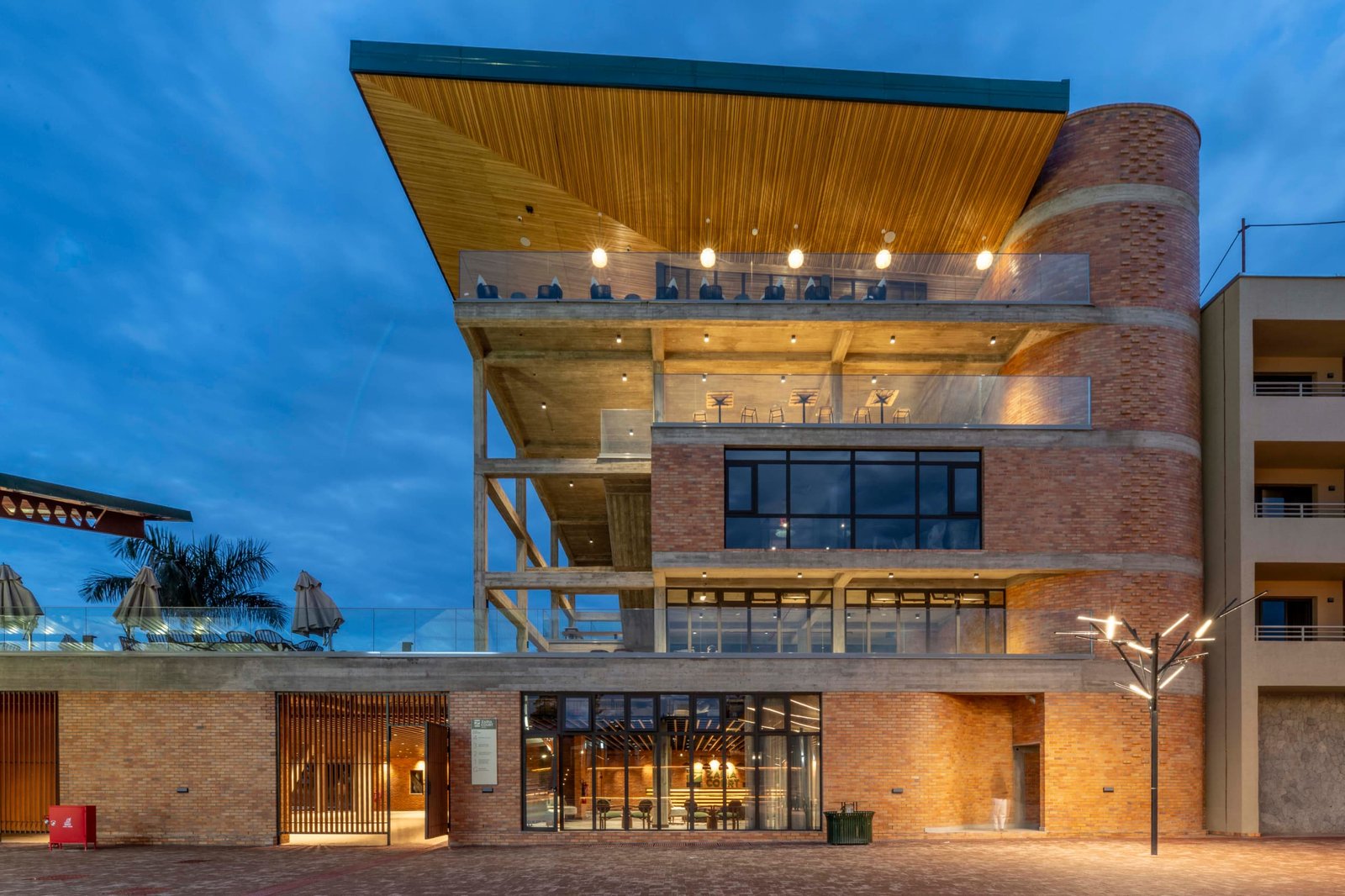
Kigali is being drawn, not just built. A generation of architects — many trained abroad, all working locally — is shaping a city that is unmistakably African and unmistakably modern.
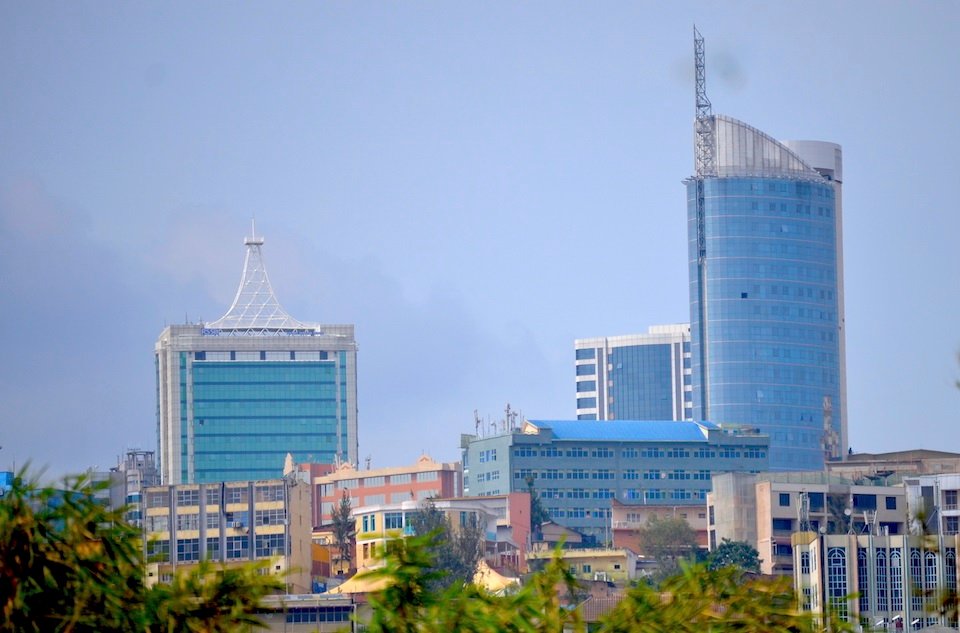
The results are visible across the capital: buildings that respond to the hills instead of flattening them, facades that use local stone and woven screens, and public spaces designed for the way people actually gather. The skyline is no longer generic.
Climate-first design
In a city where cooling costs dominate energy budgets, the best designs start with shade, airflow, and orientation. Deep overhangs, courtyards, and green roofs are becoming signatures of Kigali’s new architecture, reducing the need for mechanical cooling without sacrificing comfort.
Put your brand in front of 12,000 engaged readers
Display · Newsletter · Sponsored features
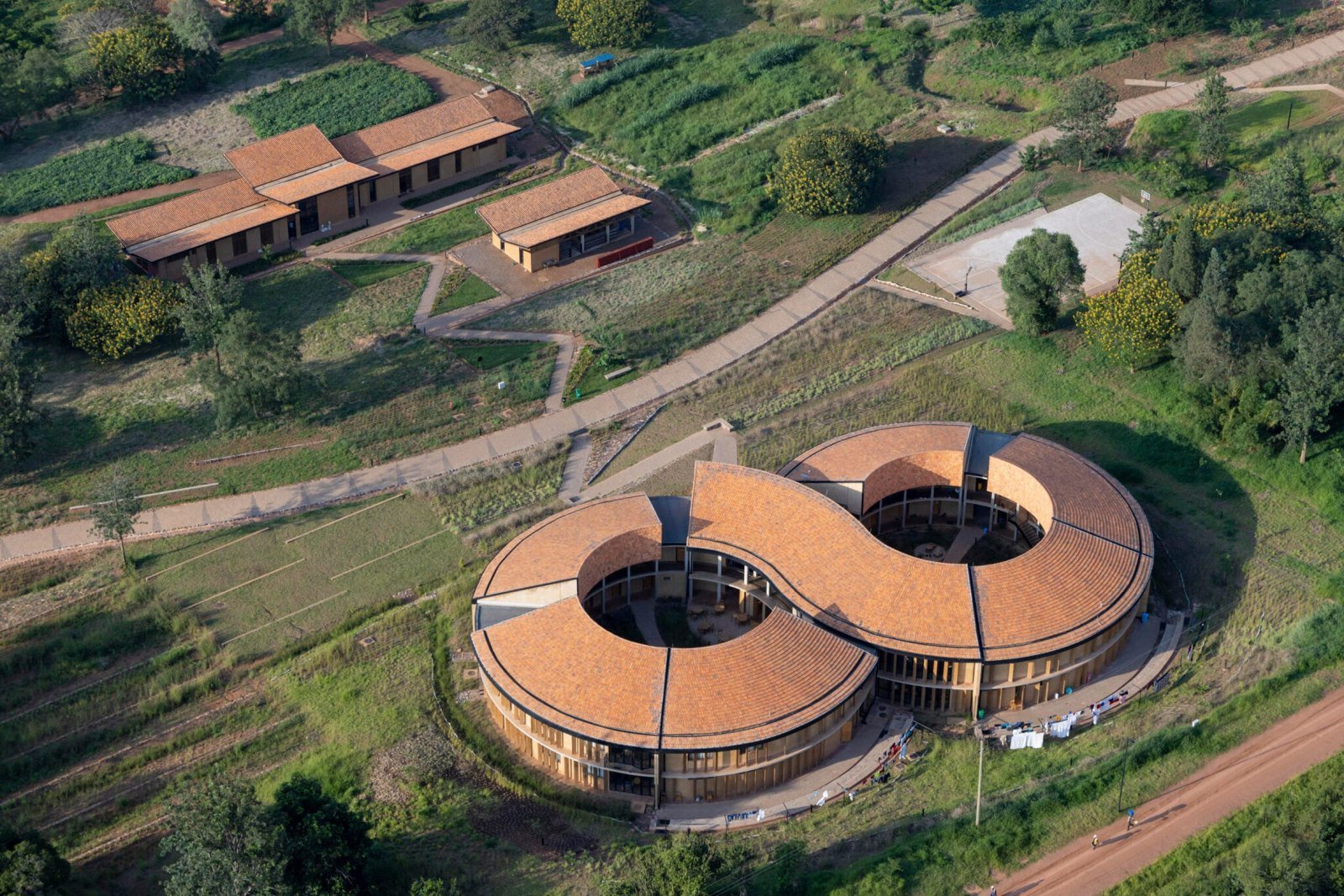
Materials follow the climate logic. Compressed earth blocks, reclaimed timber, and volcanic stone from nearby quarries lower embodied carbon and support local supply chains. Several recent projects have been designed to be naturally ventilated year-round.
We are not importing a style. We are designing for this hill, this rain, this light.
Learning from the site
Kigali’s topography is steep and its valleys flood. Good local practice treats both as design constraints rather than inconveniences: buildings step down slopes, retaining structures double as planting terraces, and drainage is integrated into landscape rather than hidden beneath it.
- What to look for: shaded facades, deep balconies, planted roofs, and stone screens
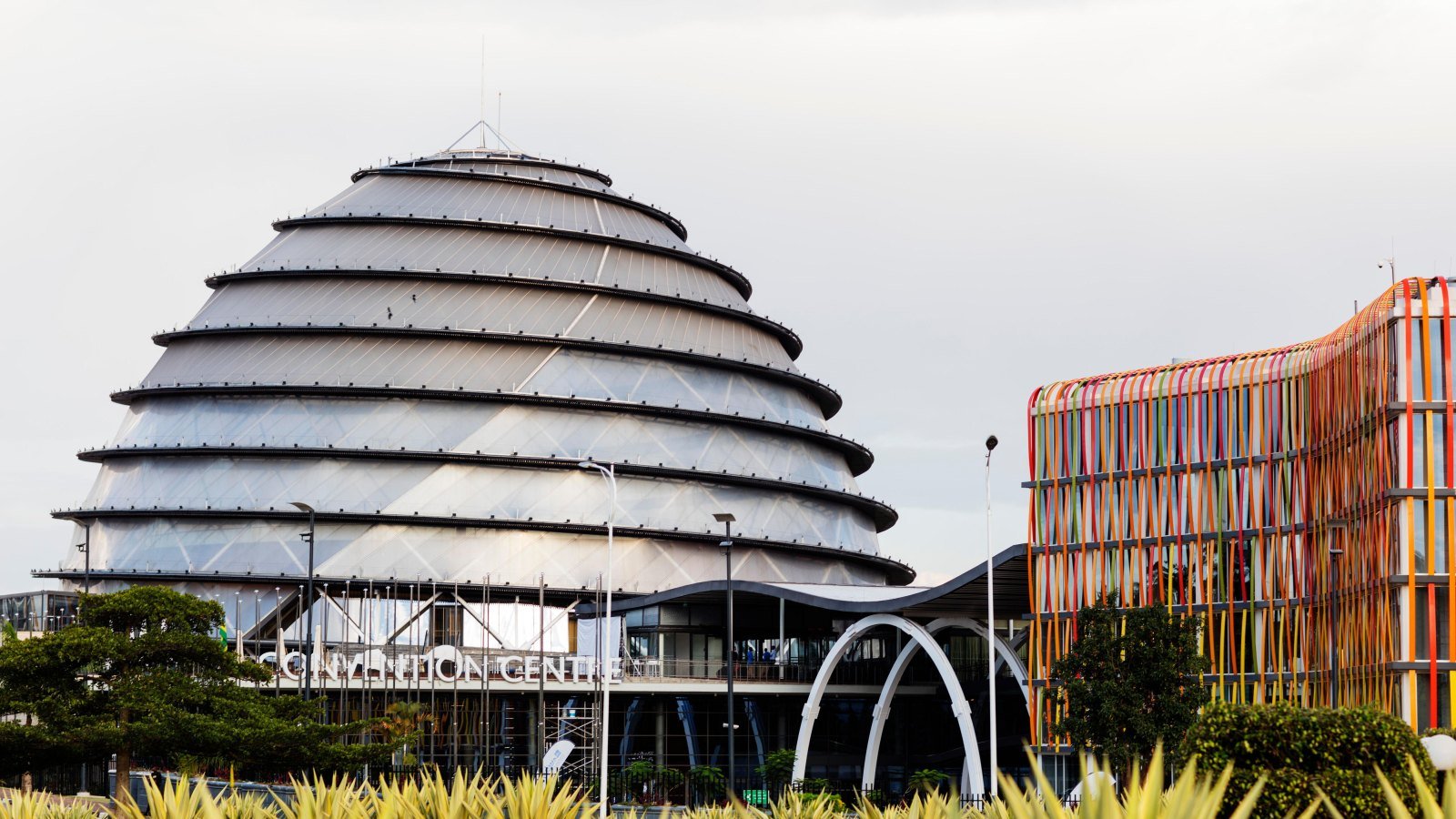
- Notable districts: the city centre, Nyarutarama, Kacyiru, and the Convention Centre area
- Public space: restored wetlands, pocket parks, and pedestrian streets
The commercial shift
Developers have learned that good design leases faster. Office and residential projects that invest in daylight, ventilation, and landscaping command higher rents, and international tenants increasingly expect environmental performance. That commercial logic is accelerating the shift faster than regulation alone could.
A new generation of local practices is emerging as a result, competing on craft rather than cost. Several have begun exporting their expertise to projects in neighbouring countries.
The housing question
The next frontier is affordable housing at scale. Kigali’s population is growing quickly, and the gap between what housing costs and what most households can pay is wide. Cracking it requires density, standardised components, and financing models that reach lower-income buyers.
If Kigali can solve that, its architects will have exportable answers for a continent urbanising faster than any place on earth — and the skyline will be the least of what they have contributed.