
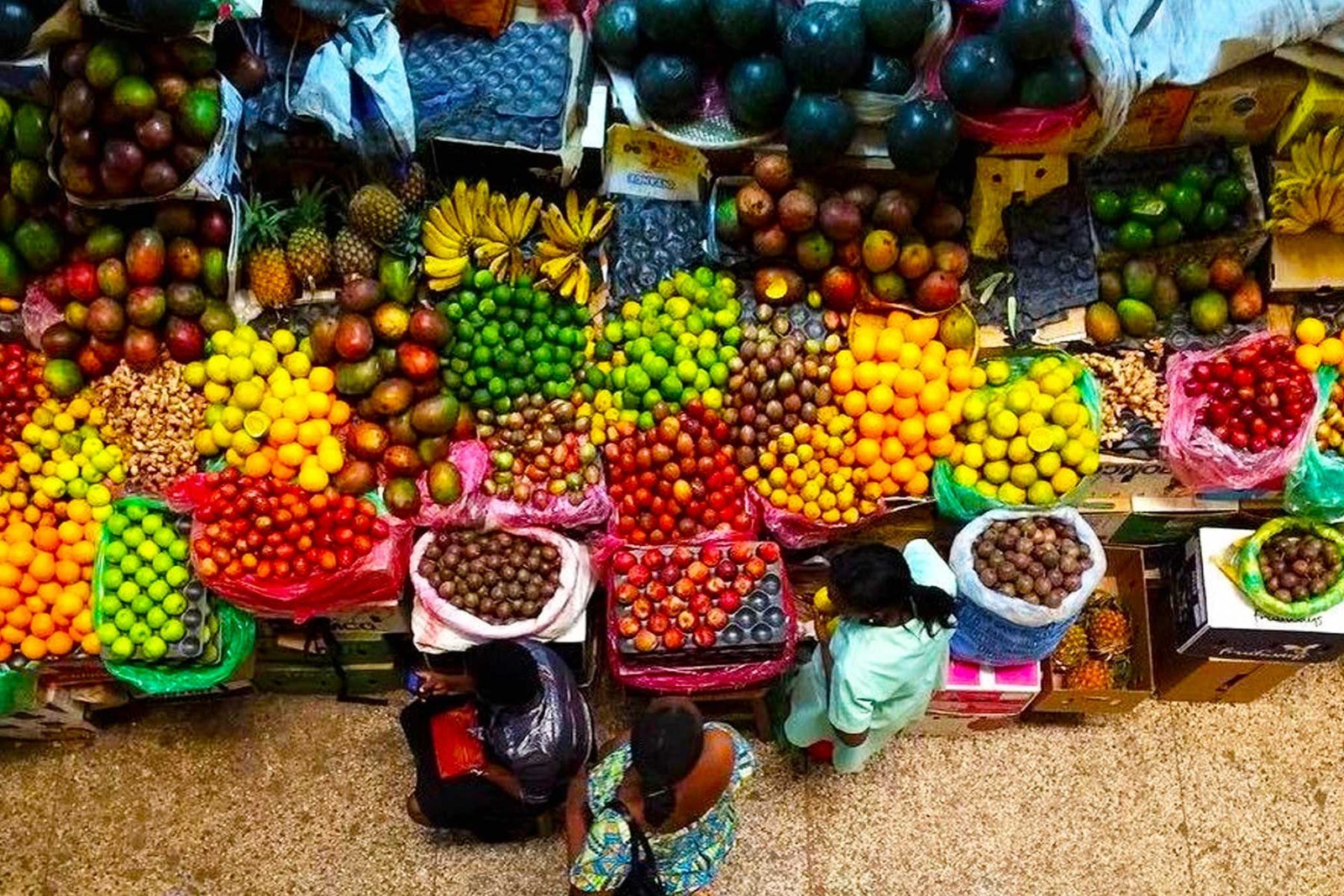
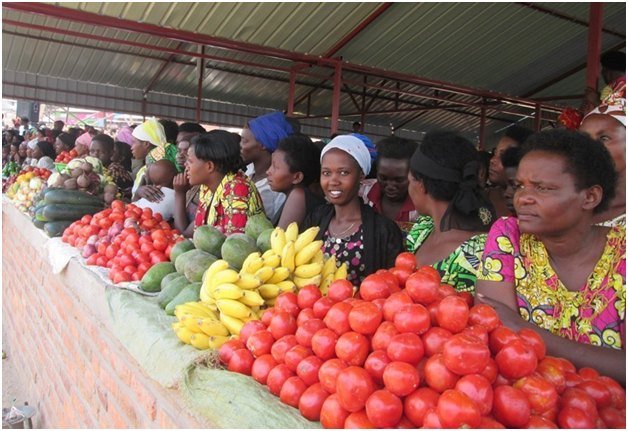
By six in the morning, Kimironko Market is already loud. Trucks from every corner of Rwanda are unloading bananas, avocados, tomatoes, cabbages, and dried fish into what has become the commercial heart of Kigali. By seven, the first shoppers are threading between stalls; by nine, the aisles are shoulder to shoulder.
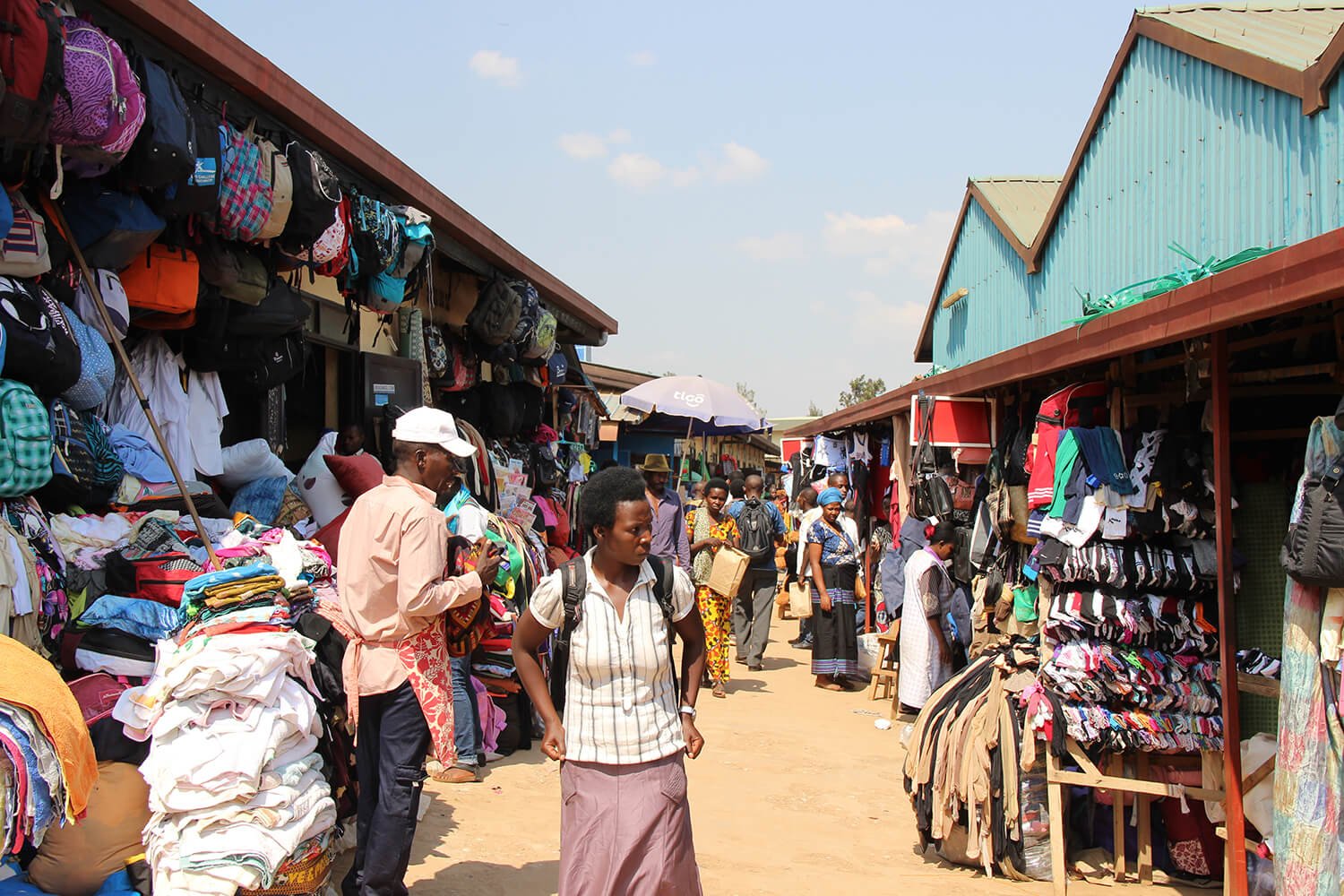
Covering a full city block in the Gasabo district, Kimironko is more than a place to buy vegetables. It is a small economy: hundreds of vendors, porters, tailors, butchers, spice traders, and second-hand clothing sellers, all working within a few thousand square metres.
A city in miniature
Wander the aisles and you hear Kinyarwanda, Swahili, French, and English in the same breath. Vendors sell everything from fresh produce and dried fish to kitenge fabric, baskets, and imported household goods. A tailor will measure you for a shirt while you wait; a spice stall will blend a custom mix of chili, ginger, and garlic.
Put your brand in front of 12,000 engaged readers
Display · Newsletter · Sponsored features
The market’s architecture reflects its function: open halls organised by product, with the produce section at the centre and craft and fabric stalls around the edges, where tourists tend to congregate. Prices are negotiable, though locals advise starting with a friendly greeting rather than a hard bargain.
Kimironko is where Kigali eats. If you want to understand this city, start here.
How it works
Most produce arrives overnight from cooperatives and small farms within a few hours’ drive. Wholesalers buy at dawn, retailers buy from wholesalers, and households buy from retailers — a three-tier system that keeps prices low but margins thin. Vendors describe the work as relentless: market days start before sunrise and end after dark.
- Best time to visit: early morning for produce, late morning for fabric and crafts
- What to buy: fresh fruit, Rwandan coffee, kitenge, woven baskets, and spices
- Practical tips: bring small notes, wear closed shoes, and keep bags zipped
- Etiquette: ask before photographing people; a polite greeting goes a long way
Renovation and renewal
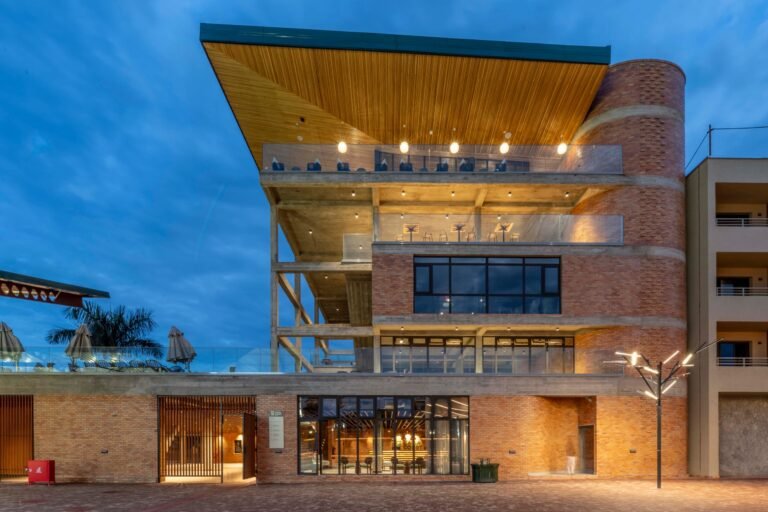
In recent years the city has invested in the market’s infrastructure: better drainage, lighting, waste management, and rebuilt stalls. Traders say the changes have made the working environment safer and cleaner, though some worry that modernisation will eventually raise rents beyond what small vendors can pay.
Similar tensions play out in markets across Africa, where upgrading informal commerce can displace the very people it is meant to support. Kigali’s approach has been gradual — improving conditions while keeping stall fees within reach — and the market remains overwhelmingly local in character.

More than shopping
For visitors, Kimironko offers a sensory introduction to Rwandan daily life, and a reminder that the country’s economy is not only tech hubs and conference centres. It is also thousands of small traders, most of them women, turning over modest sums with discipline and humour.
Come early, bring cash, and leave time to eat something grilled on the way out. The market is not a curated experience — and that is precisely its appeal.