

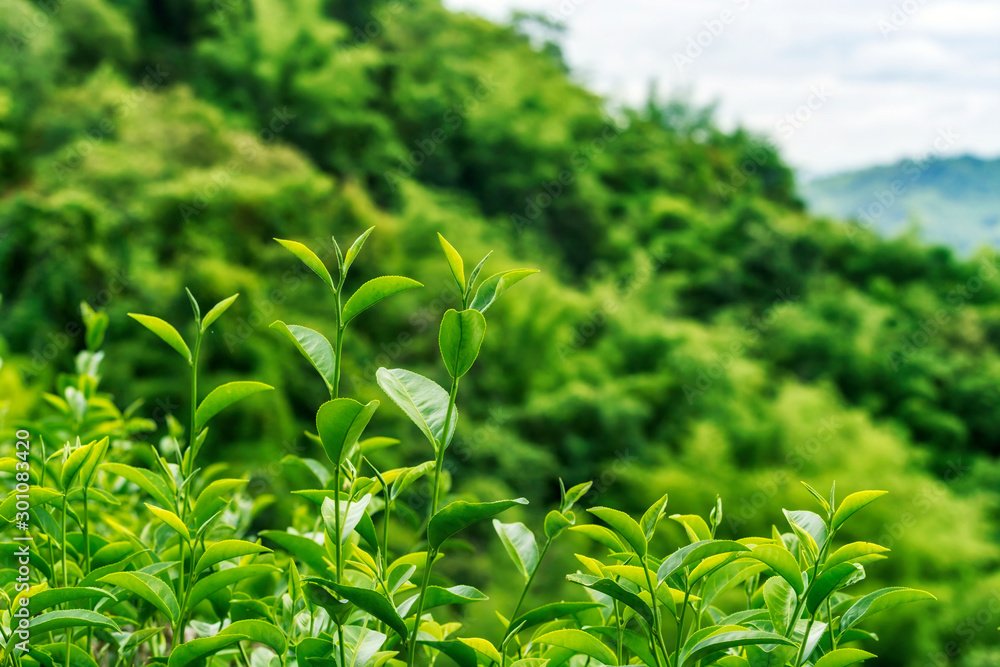
On the hills above Lake Kivu and in the high forests of Nyungwe, Rwanda grows tea. Millions of bushes are planted in undulating rows that turn entire hillsides emerald green, harvested by hand through much of the year.
For decades the crop was a quiet export, sold in bulk and blended into anonymous supermarket brands. That is changing. Rwanda’s specialty teas — white, orthodox black, and purple — are winning international attention and appearing in boutique stores from London to Seoul.
Where the tea grows
Rwanda’s tea belt runs along the country’s western spine, at altitudes between 1,900 and 2,500 metres. Cool temperatures, abundant rainfall, and volcanic soil produce slow-growing leaves with concentrated flavour. The main estates cluster around Gisovu, Karongi, Rubaya, Gatare, and Nyabihu, most of them operated by large producers working with thousands of smallholders.
Put your brand in front of 12,000 engaged readers
Display · Newsletter · Sponsored features
Harvesting is manual and constant. Pickers take the top two leaves and a bud, moving across the rows in teams. The best lots are processed within hours of picking to preserve freshness.

The purple leaf
Rwanda is one of the few producers of purple tea, a rare variety whose leaves are naturally rich in anthocyanins. The liquor is subtle, almost floral, and the health-market interest is significant — particularly in Asia, where it sells at a premium.
Coffee opened the door. Tea is walking through it.

Cooperatives and ownership
As with coffee, cooperatives have been central. Smallholder farmers now hold shares in processing factories, earn dividends, and receive training in field management and quality control. That ownership structure has raised both incomes and yields, and it gives farmers a reason to invest in the long term.
- Main grades: orthodox black, CTC black, green, white, and purple
- Where to buy: estate shops, Kigali supermarkets, and specialty exporters
- Best visit: factory tours during the main harvest, roughly February–May and September–November
- What to try: a single-estate orthodox black, brewed without milk
Challenges on the hills
Climate pressure is real: unpredictable rains, landslides, and pests threaten yields, while ageing bushes on some estates need replanting. Global tea prices are volatile and largely set by auctions in Mombasa and Colombo, leaving producers with limited pricing power.
Labour is another constraint. Harvesting is physically demanding and wages are modest, making it harder to attract younger workers. Mechanisation is difficult on steep terrain, so the industry remains dependent on manual picking.
The road ahead
The strategy mirrors coffee’s: move up the value chain. That means more local processing, more branded retail products, and more direct relationships with buyers who care about origin. Several Rwandan estates now sell finished, packaged tea under their own labels rather than shipping raw leaf.
Tourism helps too. Tea estate visits are becoming a standard stop on western Rwanda itineraries, adding revenue and giving the industry a public face. On the hills, the harvests keep coming — basket after basket, week after week.