
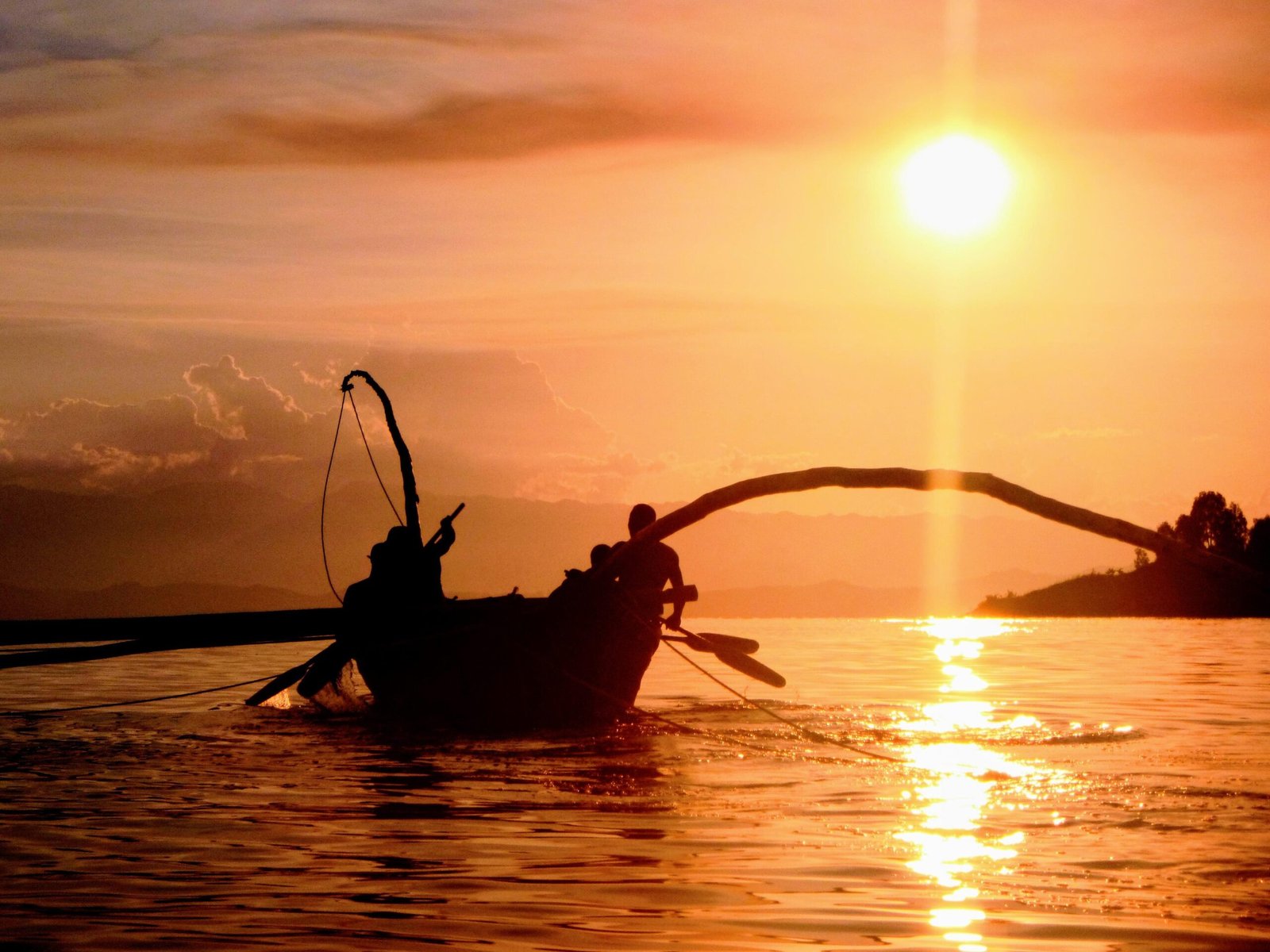
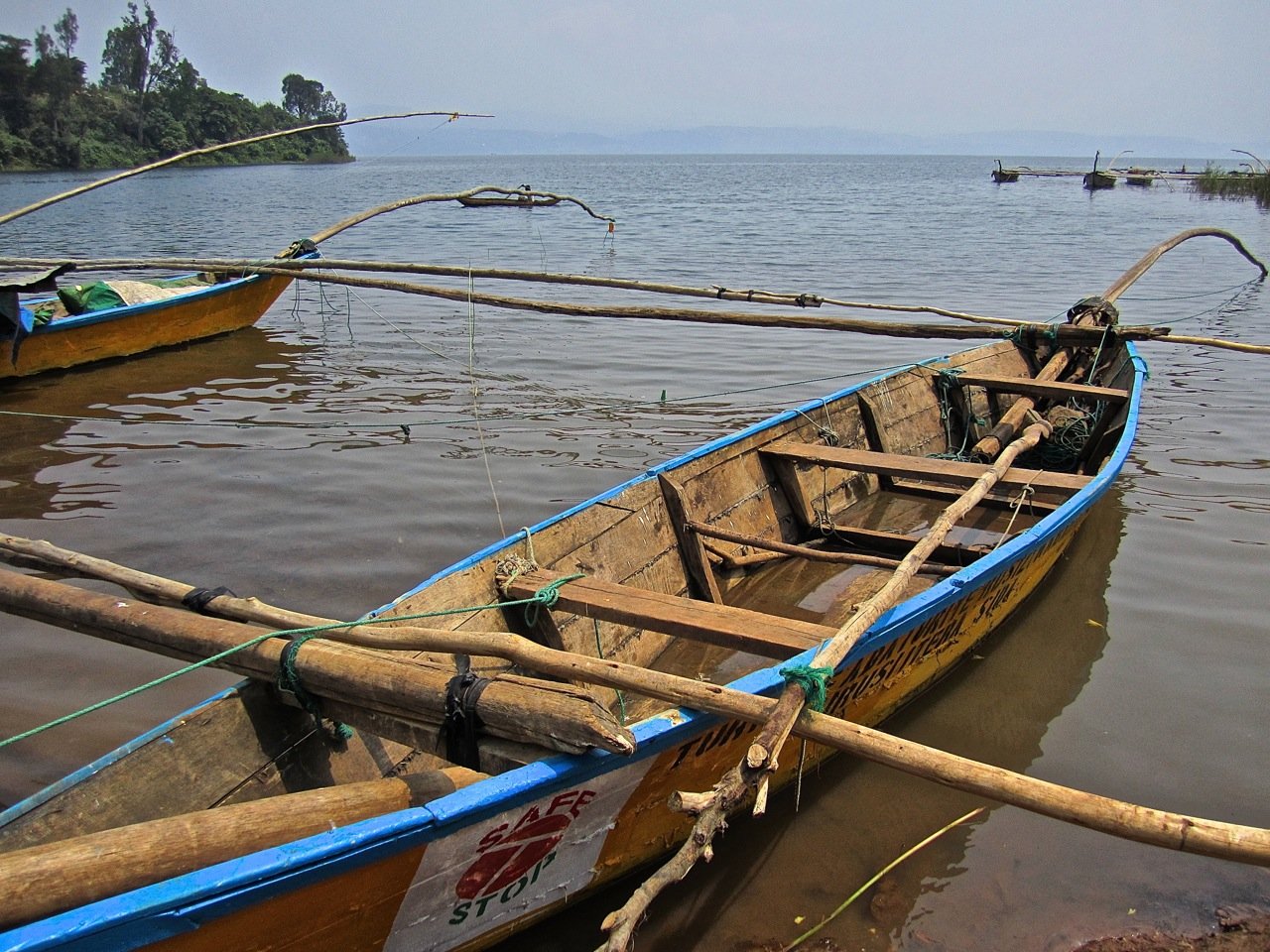
By five in the morning, the fishermen are already out. Their wooden boats drift in near silence over Lake Kivu as the sky turns from indigo to gold — a scene that has made Rwanda’s western shore one of East Africa’s most quietly beautiful destinations.
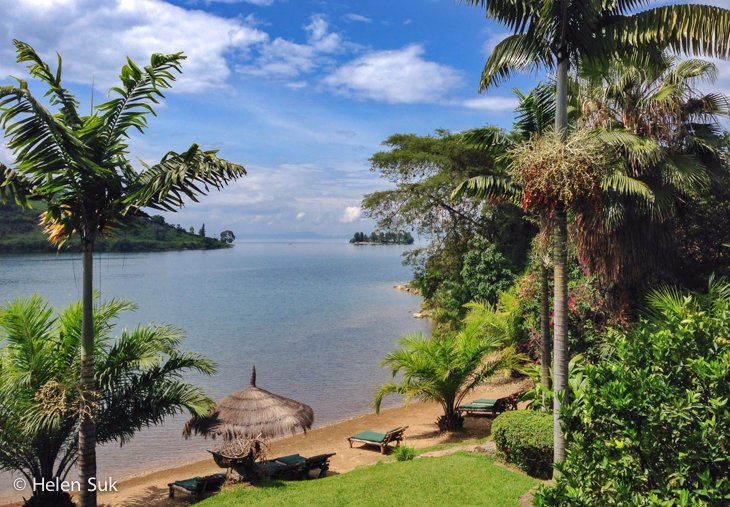
Kivu is one of the African Great Lakes, stretching roughly 90 kilometres along the border with the Democratic Republic of Congo. Its resort towns — Rubavu, Karongi, and Rusizi — trade in a slower currency: sunsets, espresso, and long lunches by the water.
What to do on and around the water
The lake rewards slow travel. Kayaking to hot springs, cycling sections of the Congo Nile Trail, and boat trips to coffee islands are the standard itinerary. Birders come for the lake’s waterbirds; swimmers come for the calm, bilharzia-free water.
Put your brand in front of 12,000 engaged readers
Display · Newsletter · Sponsored features
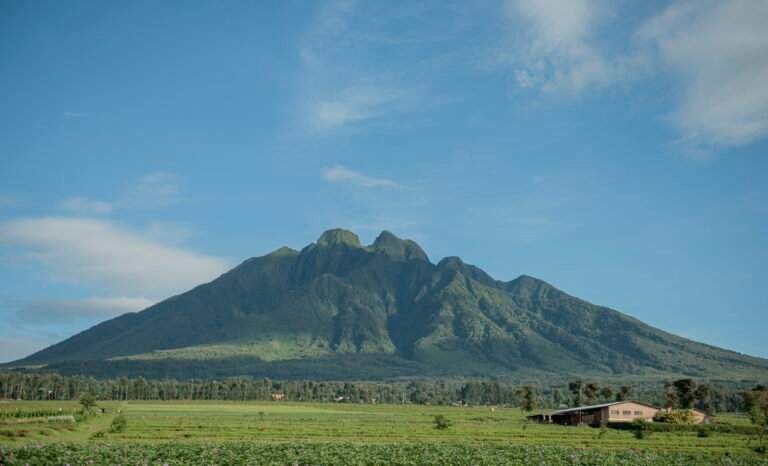
Inland, the shoreline climbs into tea country and coffee plantations, with roads that offer some of the best cycling in the region. The Congo Nile Trail, a 227-kilometre route along the lake, can be walked or ridden in sections over several days.
People come for a night and stay for a week. The lake has that effect.
Where to stay and eat
Accommodation ranges from barefoot-chic guesthouses to polished resorts with infinity pools. Rubavu (Gisenyi) is the most developed, with a lively restaurant scene and easy access from Kigali; Karongi is quieter and better for hiking; Rusizi, in the south, is the gateway to Nyungwe.
Food leans on the lake: grilled tilapia, sambaza (tiny fried fish), and fresh vegetables. Kivu is also one of the few lakes in the world with a legal brewing tradition, and local breweries offer tours.
- Getting there: about three hours by road from Kigali to Rubavu
- Best months: June–September and December–February for clear skies
- Don’t miss: a sunrise boat trip and a swim off one of the lake’s islands
- Bring: layers for cool mornings and a rain jacket in the wet season
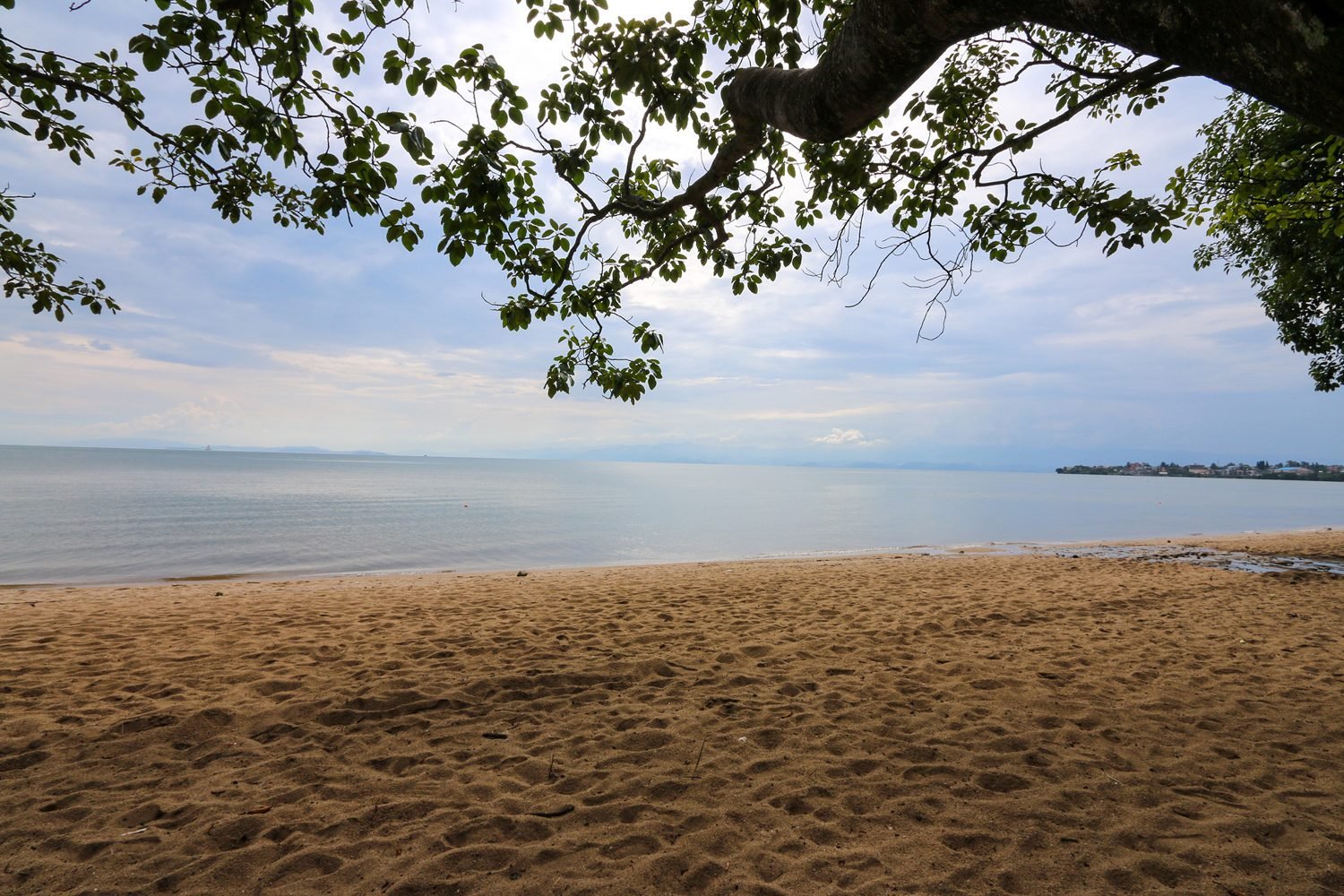
A lake with a future
Kivu’s resources — fish, methane gas for power generation, and tourism — are being developed carefully, with attention to the lake’s unusual chemistry and the risks of overfishing. Local cooperatives manage fishing with quotas and closed seasons.
For visitors, the appeal is simpler. Kivu is a place where the pace drops, the light is extraordinary, and the water stretches to a horizon of green hills. It is the quieter half of a Rwandan itinerary — and often the part people remember longest.