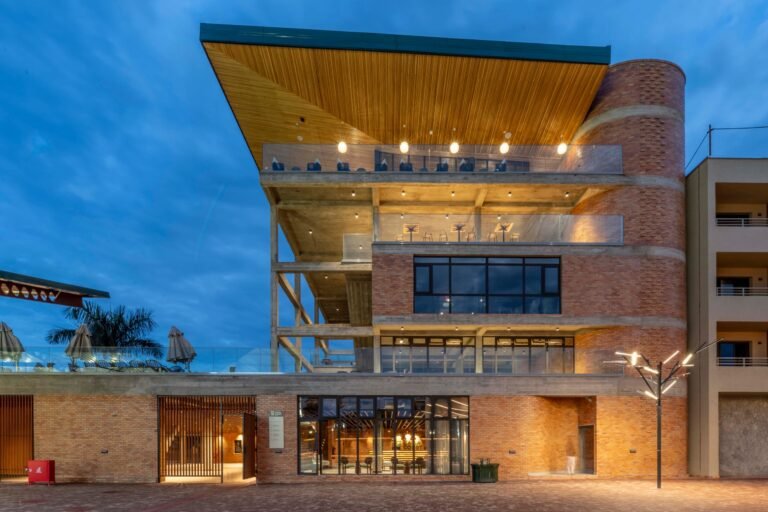

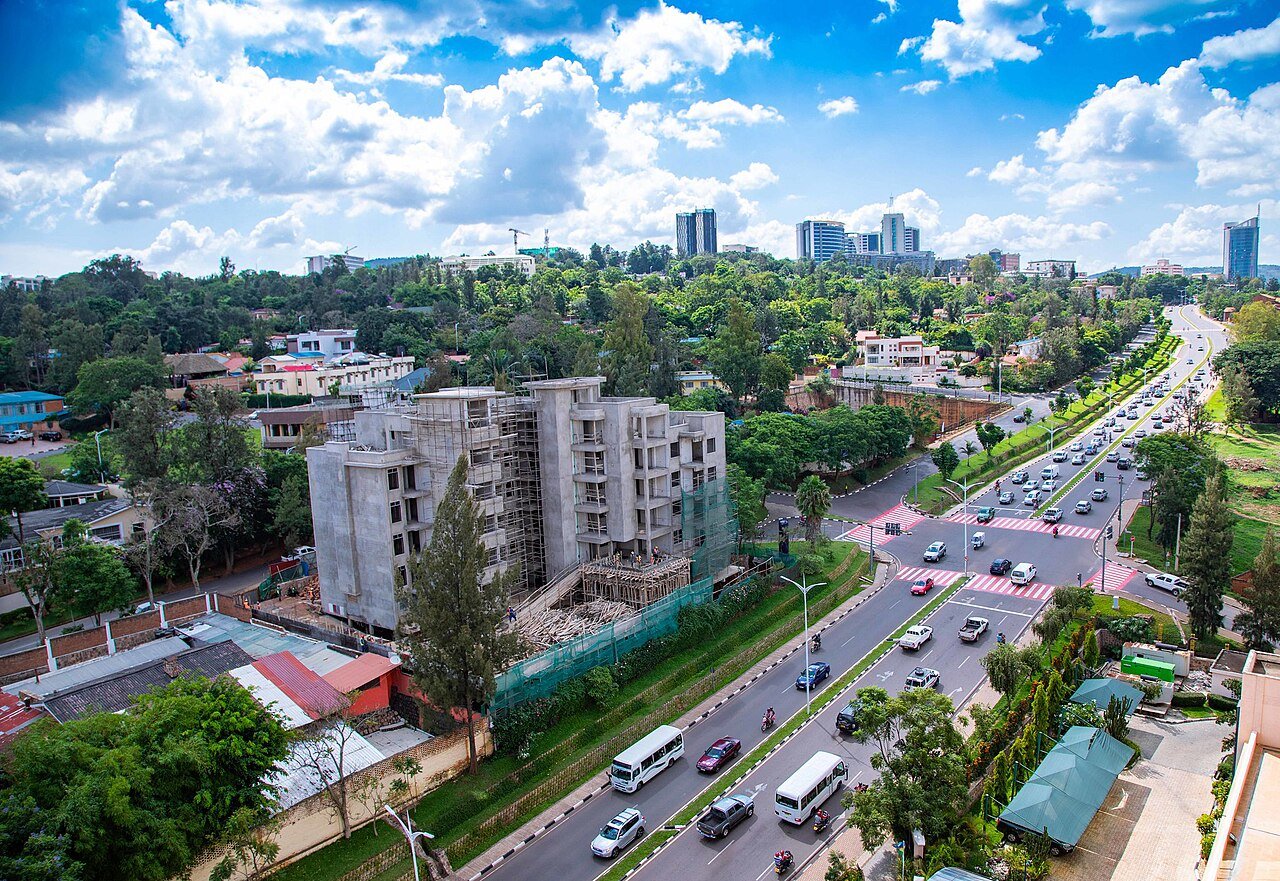
Kigali is often described as Africa’s cleanest city, and the label is not marketing spin. Walk through the centre on a weekday morning and you will find swept pavements, planted medians, and plastic bags nowhere in sight. Behind that polish sits one of the most deliberate urban planning programmes on the continent — a decades-long project that has turned a city rebuilt from catastrophe into a global reference point.
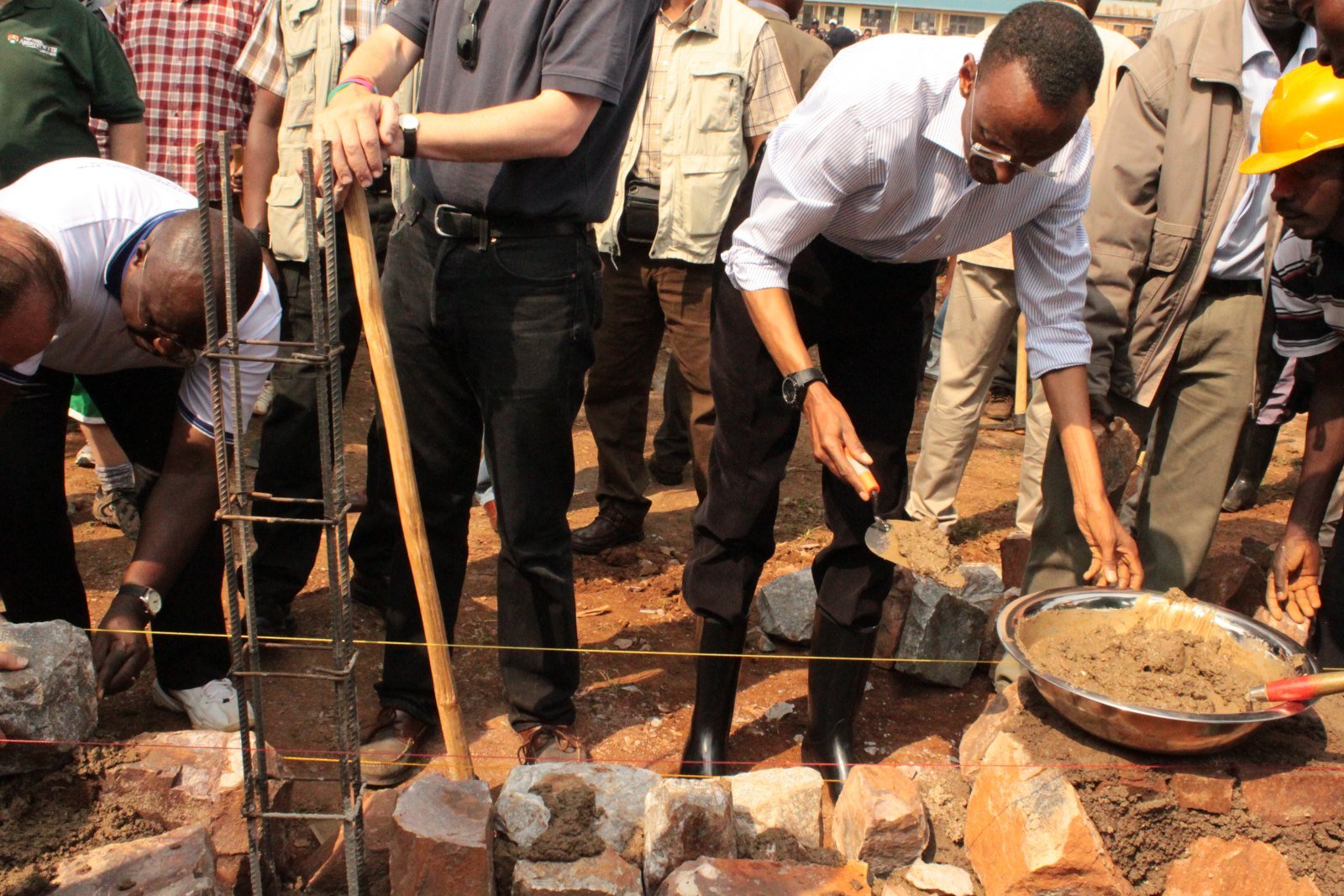
The transformation did not begin with architecture. It began with people. Since the late 1990s, every last Saturday of the month has been reserved for Umuganda, a mandatory community work morning in which residents clean, plant, and build together. The policy is sometimes criticised as compulsory, but its effect on the city’s public spaces is undeniable — and it created the civic habit on which everything else rests.
A master plan, not a patchwork
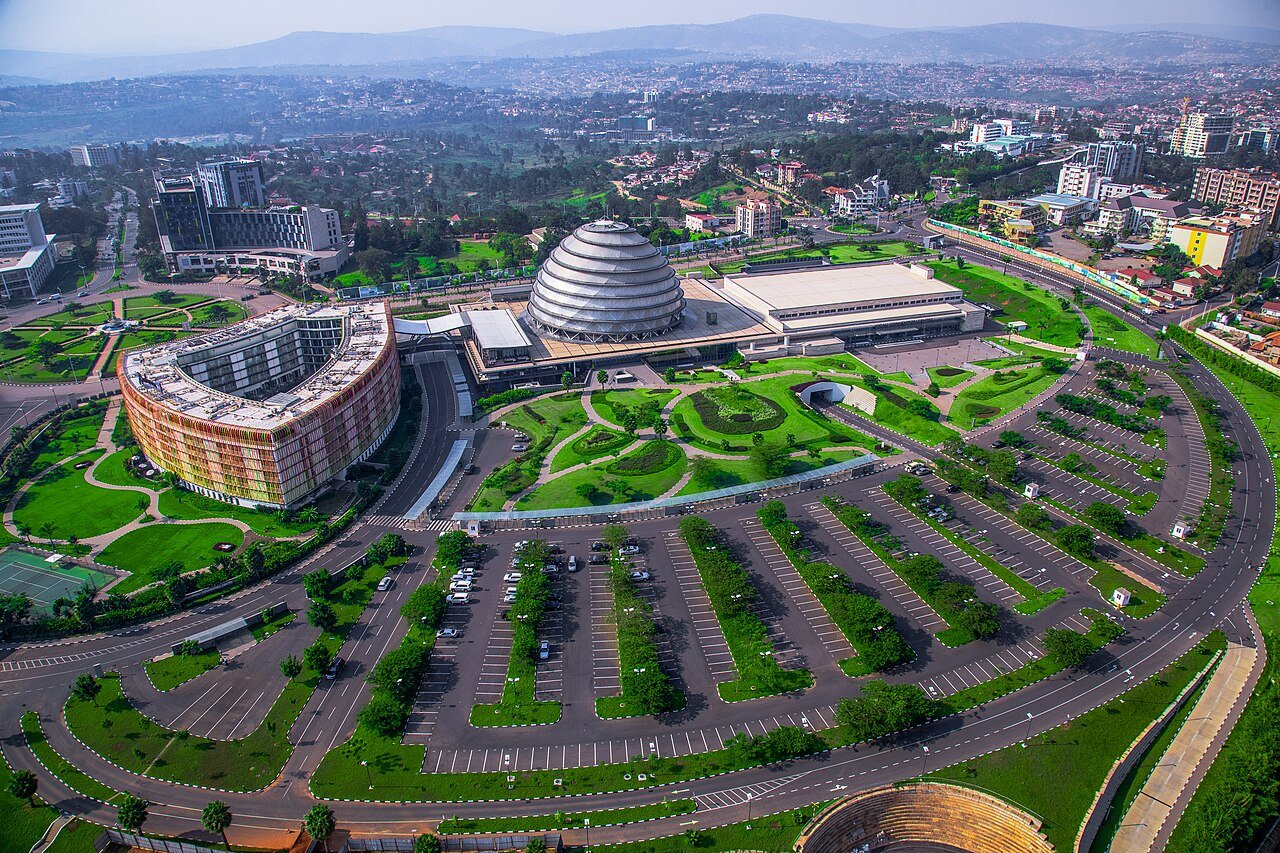
Kigali’s modern planning framework dates to 2013, when the city adopted a comprehensive master plan that zoned land, set density targets, and reserved corridors for roads, drainage, and green space. Successive revisions have added detail on affordable housing, flood management, and transit. The result is a city that grows in something close to the shape its planners intended — rare in a region where rapid urbanisation usually outruns regulation.
Put your brand in front of 12,000 engaged readers
Display · Newsletter · Sponsored features
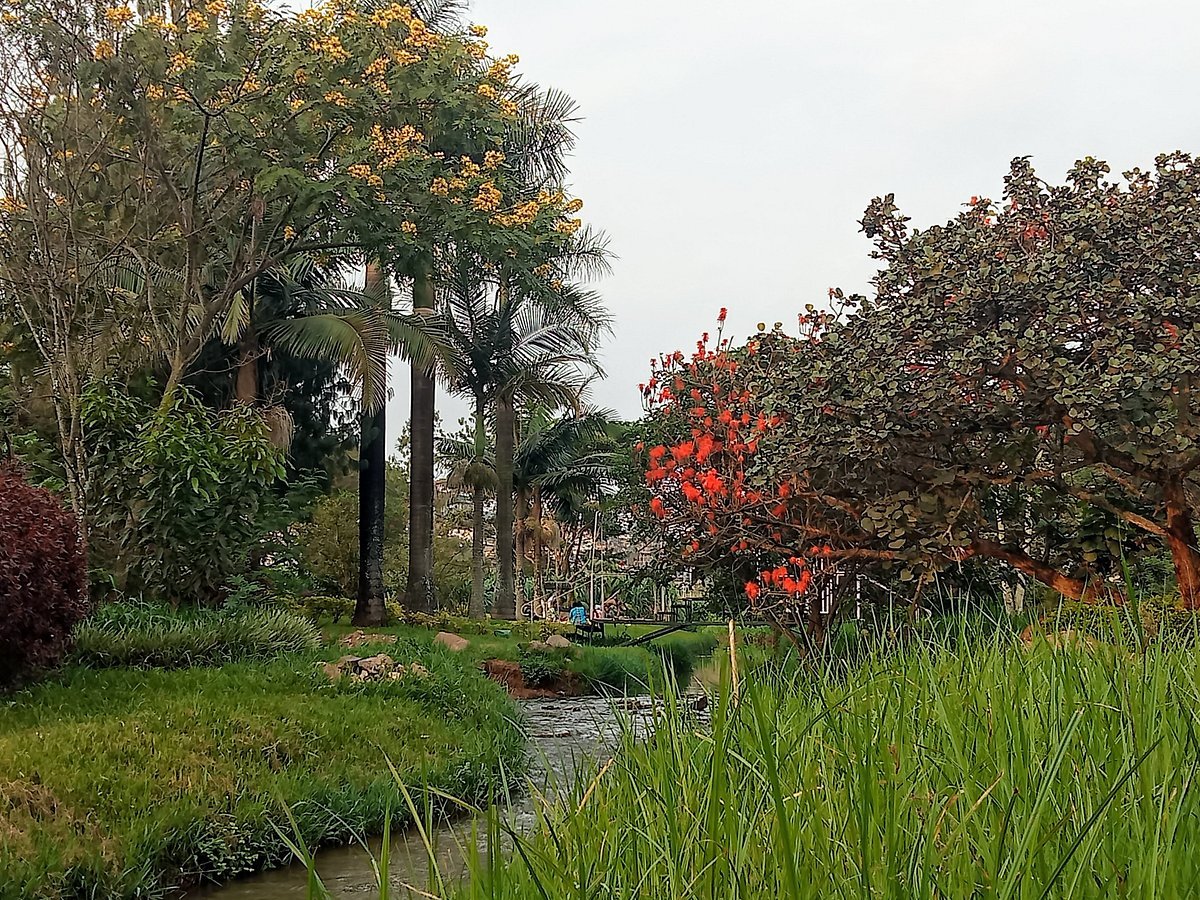
Green infrastructure is written into that framework. Wetlands have been restored and protected rather than drained and built over; they now double as flood defences and public parks. Street trees, pocket parks, and landscaped roundabouts have expanded the city’s green cover by a reported forty percent over a decade. Solar streetlights line arterial roads, and new public buildings are required to meet efficiency standards.
We are not just building buildings. We are building a future where people want to live.
The plastic ban and its ripple effects
In 2008 Rwanda banned single-use plastic bags, years before most of the world considered the idea. Enforcement was serious: bags were confiscated at borders, retailers were fined, and alternatives were promoted. A second ban on certain single-use plastics followed. The policy is now among the most cited examples of environmental regulation in Africa, and it visibly shapes how the city feels — cleaner, tidier, and quieter than most capitals of comparable size.
Walking first, cars second
Central Kigali is unusually walkable for an African capital. Wide pavements, pedestrian crossings, and a growing network of car-free streets — including the well-known car-free zone downtown — put people ahead of vehicles in the urban core. Where roads have been widened, planners have generally paired them with footpaths and drainage rather than leaving pedestrians to compete with traffic.
Public transport remains a work in progress. The city is investing in bus priority lanes, formalising moto-taxi operations, and piloting electric buses and motorcycles. The ambition is a network that makes a car optional rather than essential — a goal that would put Kigali ahead of far wealthier cities.
Who pays for the polish?
The city’s success has not been cost-free. Rapid redevelopment has displaced residents from central neighbourhoods, and rents in desirable districts have climbed beyond what many households can afford. Informal traders have been moved off streets in the name of order, sometimes with little notice.
Officials counter that satellite cities, affordable housing schemes, and the planned expansion of Kigali Innovation City are designed to spread growth outward and keep the centre accessible. Whether those programmes keep pace with demand is the central question facing the city’s planners over the next decade.
Watched by the world
Delegations arrive monthly from other African capitals, and increasingly from Asia and Latin America, to study how a small, landlocked country turned urban management into a national strength. Kigali’s Vision 2050 sets the goal of carbon neutrality, with green building codes, electric mobility, and restored wetlands as pillars.
The lesson other cities take away is not the aesthetics. It is the sequencing: civic habits first, then regulation, then infrastructure, with planning that outlasts individual administrations. Kigali is still a work in progress — but it is a work in progress with a plan, and in urban Africa that alone is remarkable.