

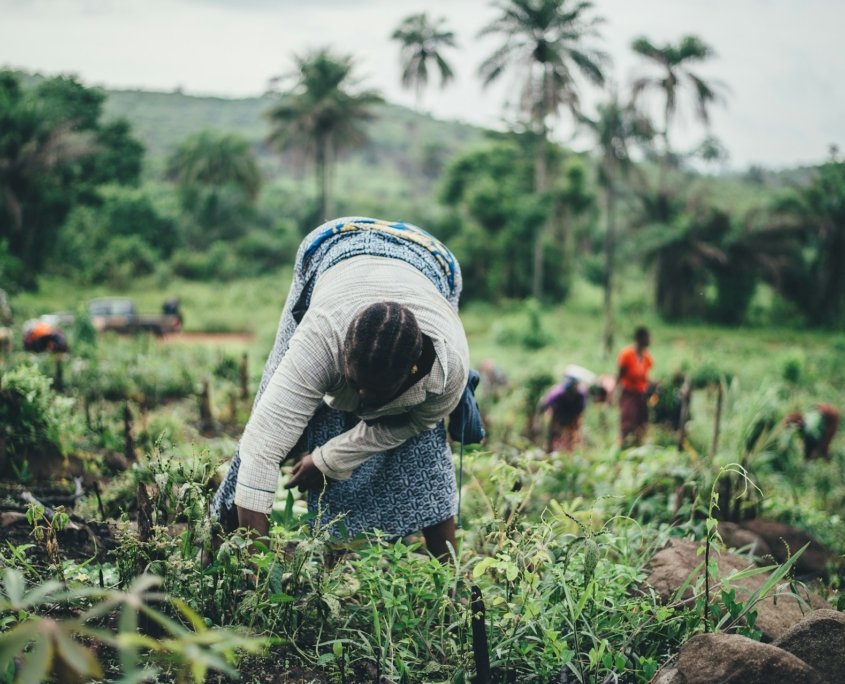
Rwanda’s hills have always been farmland. What is new is what is happening on them: soil sensors, drone surveys, mobile advisory services, and cold-chain logistics that connect farmers to buyers before harvest.
Agriculture employs roughly two-thirds of Rwanda’s workforce and accounts for a large share of exports. For the country’s technology sector, that is not a problem to disrupt — it is the largest market in the economy, and the fastest route to impact at scale.
From guessing to knowing
The first wave of agritech focused on information. Weather forecasts delivered by SMS, pest alerts, and market prices gave farmers something they had never had: timely data. Adoption was uneven at first — data costs and literacy barriers limited reach — but usage has grown as smartphones and cheaper bundles spread.
Put your brand in front of 12,000 engaged readers
Display · Newsletter · Sponsored features
The second wave is financial. Input financing, index-based insurance settled by satellite data, and mobile savings products are helping farmers invest in seeds and fertiliser without collateral. For lenders, the data provides a credit history where none existed.
The best yield increase we can deliver is not a new seed. It is better decisions, made earlier.
Connecting farms to markets
Aggregation platforms now link smallholders to hotels, supermarkets, processors, and exporters. Farmers receive orders in advance, collection points are scheduled, and produce moves quickly enough to reduce spoilage — historically one of the biggest losses in the chain.
- Inputs: mobile vouchers and financing for seeds and fertiliser
- Advisory: SMS and app-based guidance on planting, pests, and weather
- Logistics: shared collection and cold-chain transport
- Finance: index insurance and small loans scored from farm data
- Markets: direct contracts with buyers and processors

What is working
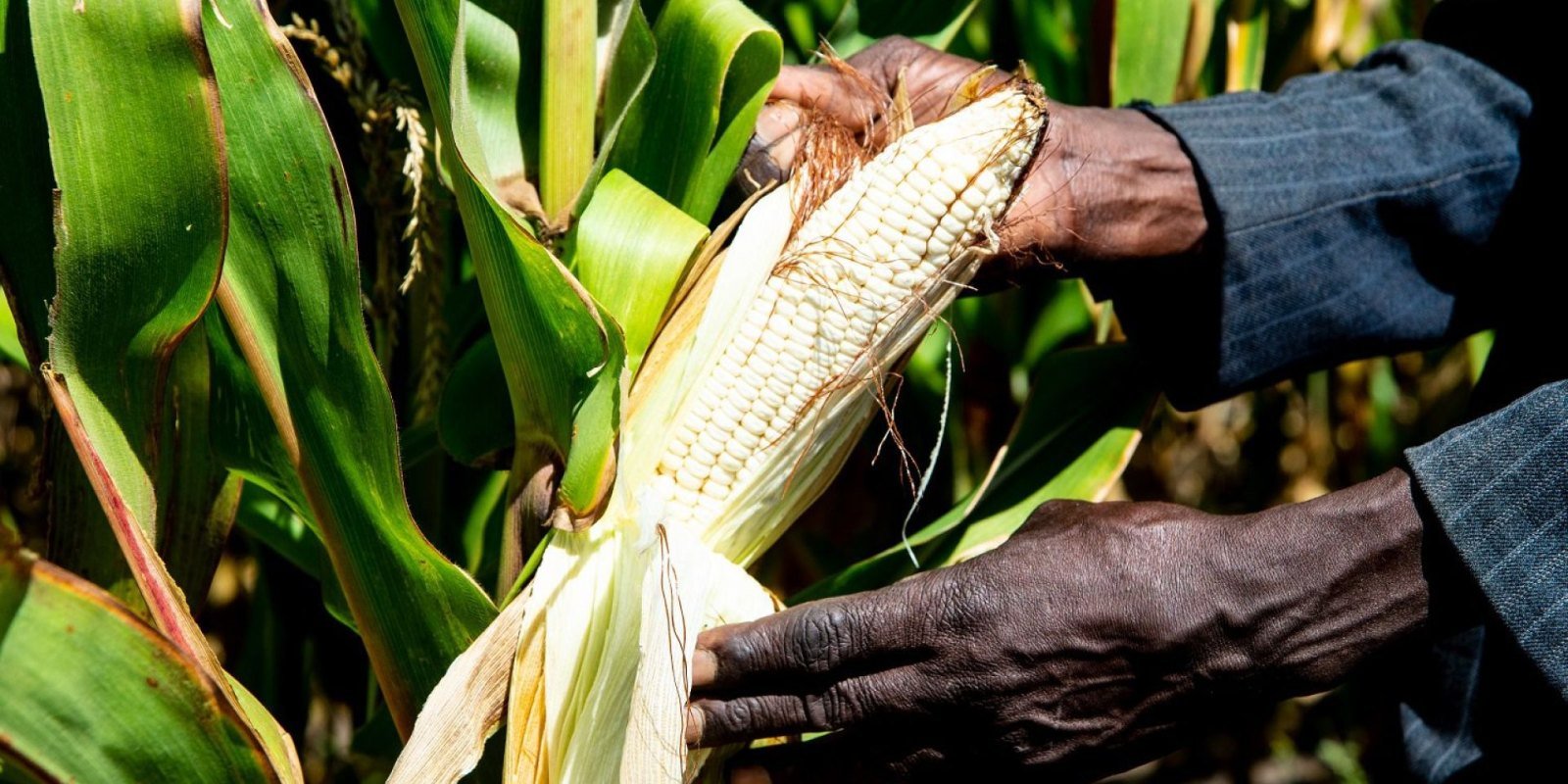
Maize, beans, and horticulture have seen the clearest gains, particularly where cooperatives aggregate demand and manage quality. Coffee and tea — the country’s premium exports — benefit from traceability systems that let buyers verify origin and pay premiums.
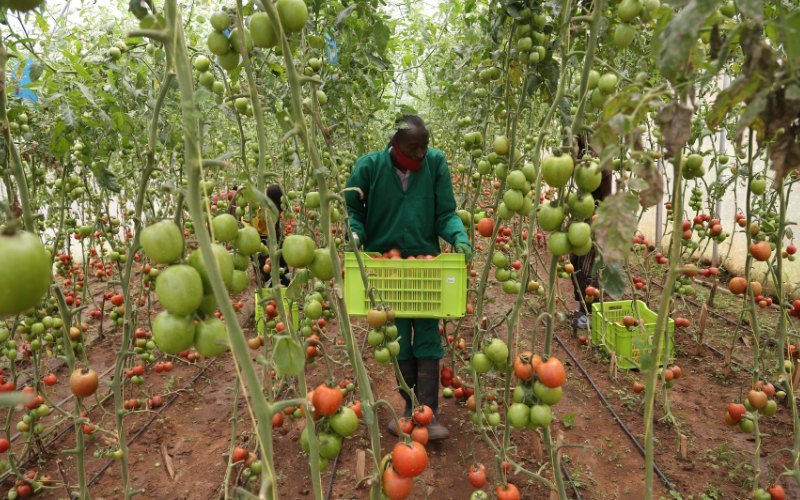
Greenhouse and irrigation technology is spreading too, extending growing seasons and improving yields per square metre. Solar-powered irrigation has been particularly effective on hillsides where fuel pumps were never viable.
What is still hard
Land fragmentation limits mechanisation: the average holding is under a hectare, often split across several plots. Data costs and device access still exclude the poorest farmers. And scaling a pilot to national coverage requires distribution networks that most startups do not have.
Trust is another factor. Farmers who have been burned by failed schemes are cautious, and adoption depends on demonstrable results in the field rather than promises.
The next decade
Rwanda’s agricultural strategy pairs technology with infrastructure: irrigation schemes, storage facilities, feeder roads, and export certification. The combination is what turns better decisions into higher incomes.
If the current trajectory holds, the country’s next agricultural revolution will not be visible from the road. It will be happening in the data — in forecasts, credit scores, and contracts — quietly reshaping what those green hills produce and who profits from them.