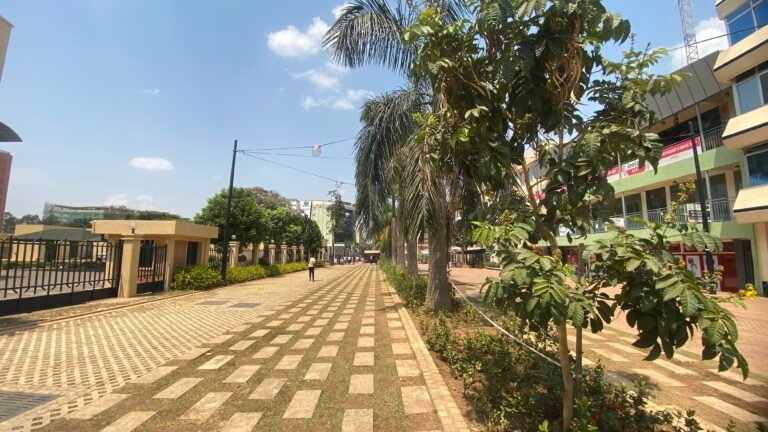


Rwanda is one of the youngest countries on earth. The median age is barely 20. Yet look around the rooms where policy is made, and you will struggle to find anyone under 35. That gap is not just unfair — it is dangerous.
Policies made for young people without young people fail. Housing schemes designed by those who already own homes. Education reforms written by people who finished school decades ago. Digital strategies drafted by people who have never built anything online.
Tokenism is not representation
To be clear: a youth representative on a committee is not inclusion. Inclusion means young founders on procurement panels, young teachers on curriculum boards, young farmers on land-use committees — with real votes and real budgets.
Put your brand in front of 12,000 engaged readers
Display · Newsletter · Sponsored features
It also means paying for participation. If consultations happen at 10am on a Tuesday, most working young people cannot attend. If they happen in English with technical jargon, many will not follow. Access is a design problem, and it can be solved.
We are not the leaders of tomorrow. We are the taxpayers, workers, and citizens of today.
Where it matters most
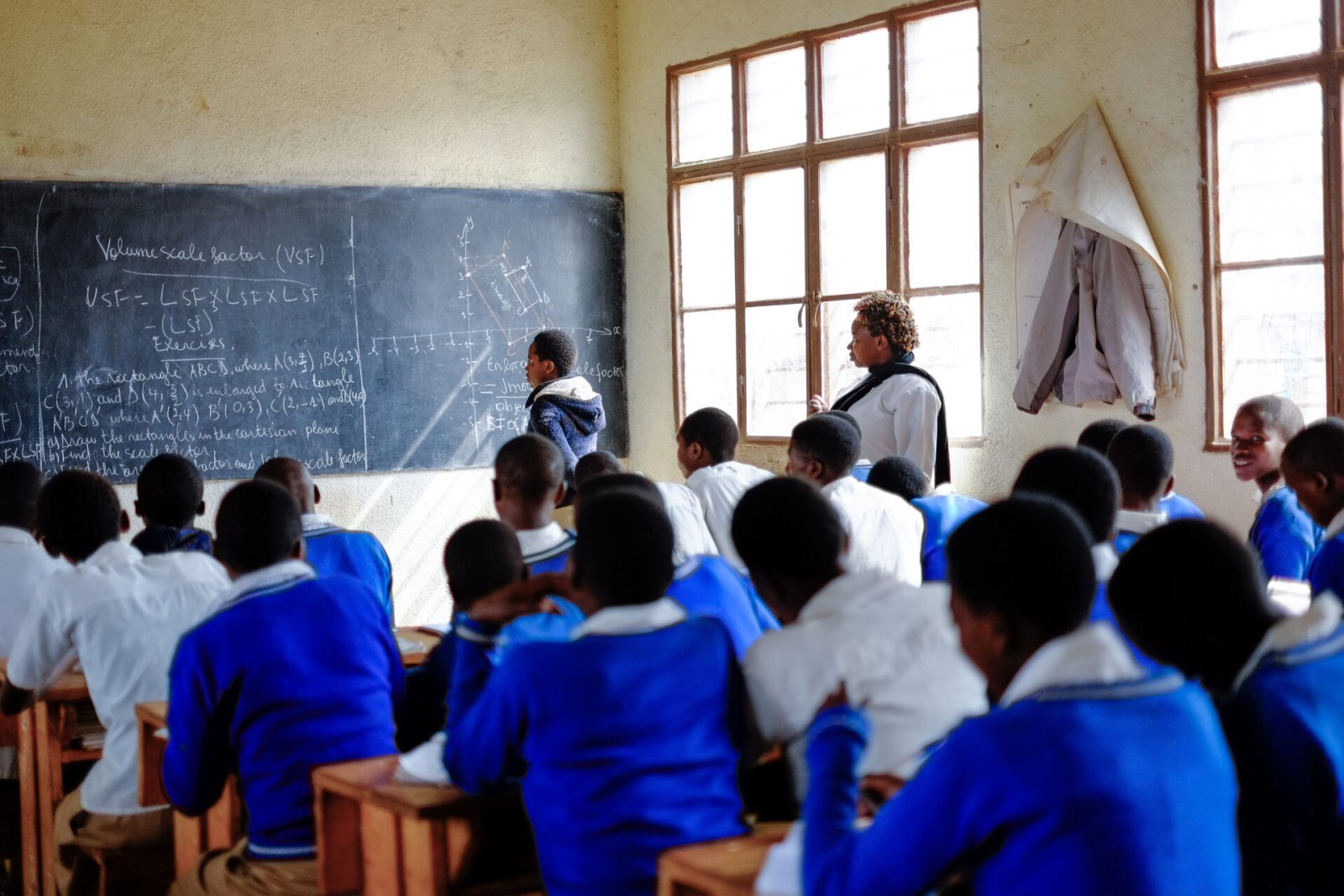
- Jobs: the majority of new entrants need wage employment, not just entrepreneurship programmes
- Housing: affordable rentals near where work exists, not distant plots
- Education: training aligned to actual labour demand, including technical and digital skills
- Health: services designed for young people, including mental health
The talent is already here
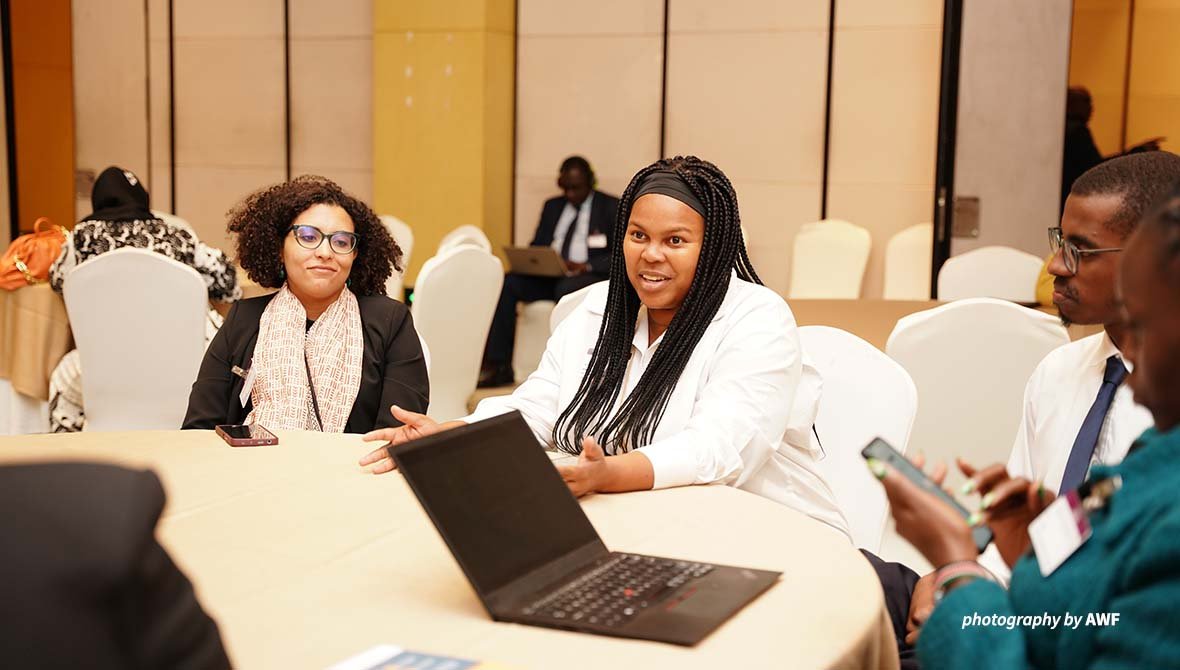
The good news is that the raw material exists. Rwanda’s young people are building companies, running classrooms, coding platforms, and organising communities. What they lack is not talent or energy. It is access — to capital, to networks, to decision-making rooms.
Some progress is visible: youth councils, startup programmes, and a growing number of under-35s in mid-level public roles. But mid-level is not enough when the decisions that shape a generation are made at the top.
A practical agenda
Three reforms would move things quickly. First, mandate youth representation with voting rights on the boards that allocate public budgets. Second, publish consultations in advance, online and in Kinyarwanda, so participation is not limited to those who can take a morning off. Third, track outcomes by age — employment, housing, and access to finance — and report them publicly.
Give young people the table, and they will bring the future to it. Keep them outside, and they will build around you anyway — with or without your policy.