

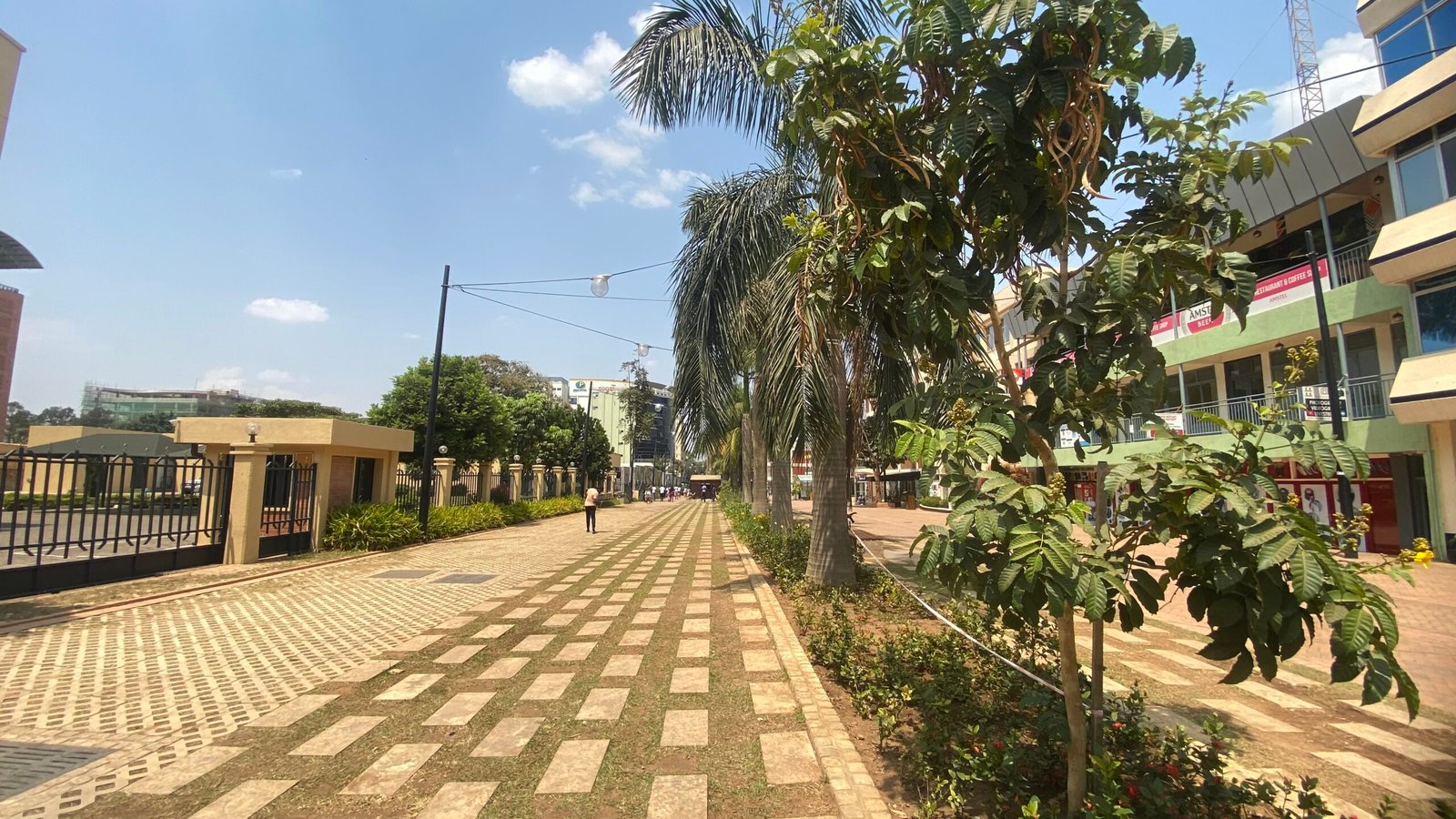
Kigali’s central business district was not designed for the car, yet every year we surrender more of it to traffic. Parking bays multiply. Pavements shrink. The pedestrian — the original inhabitant of the city centre — is being quietly evicted.
It is time to draw a line: a car-free core, from the Convention Centre to the old town, served by clean transit, moto-taxis at the perimeter, and streets returned to people.
The evidence is already here
Cities from Oslo to Bogotá have proven that removing cars from central districts does not kill commerce — it revives it. Foot traffic rises, retail sales climb, and air quality improves within weeks. Kigali, with its walkable scale, mild climate, and existing car-free zone, is better positioned than most.
Put your brand in front of 12,000 engaged readers
Display · Newsletter · Sponsored features
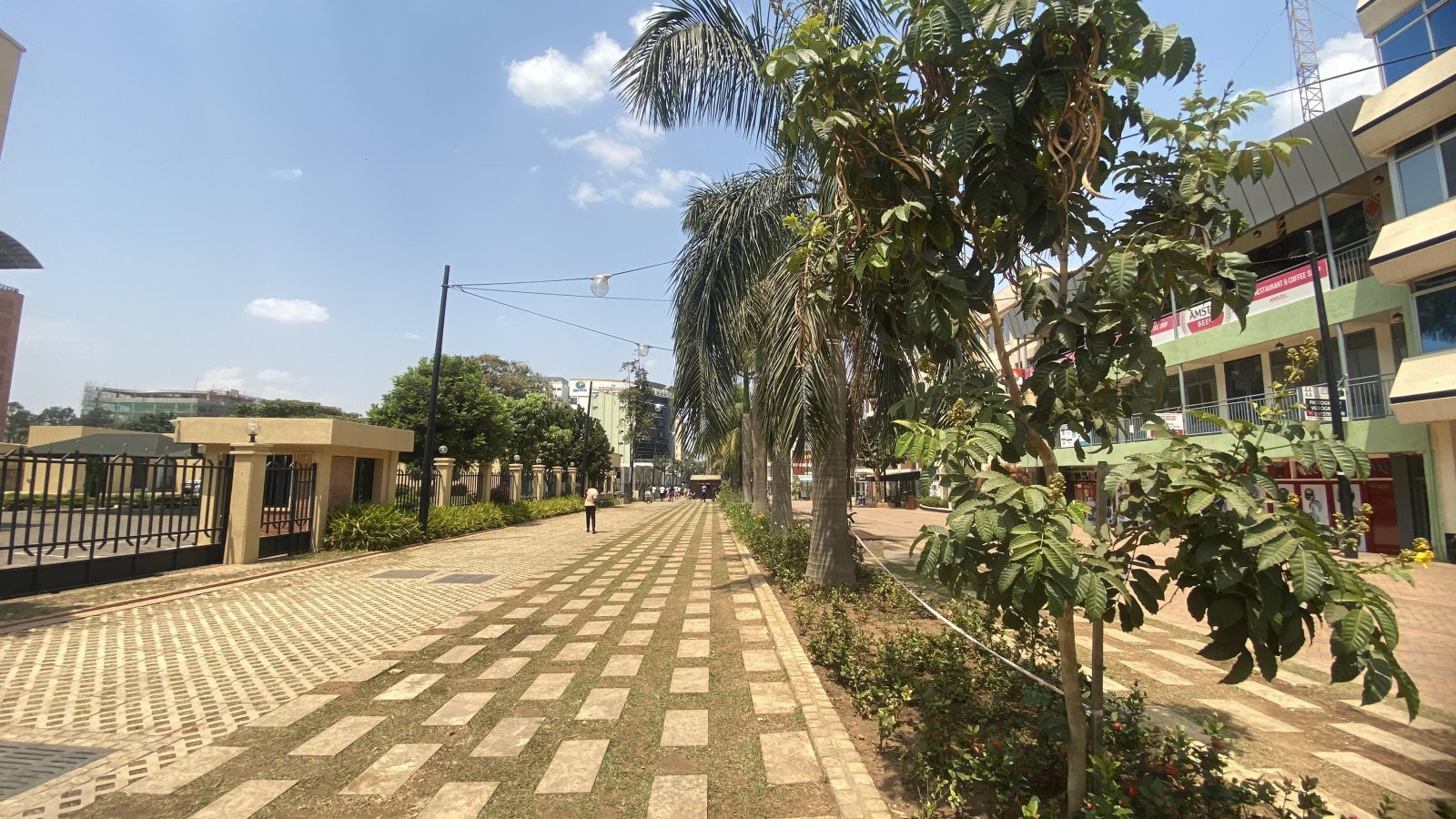
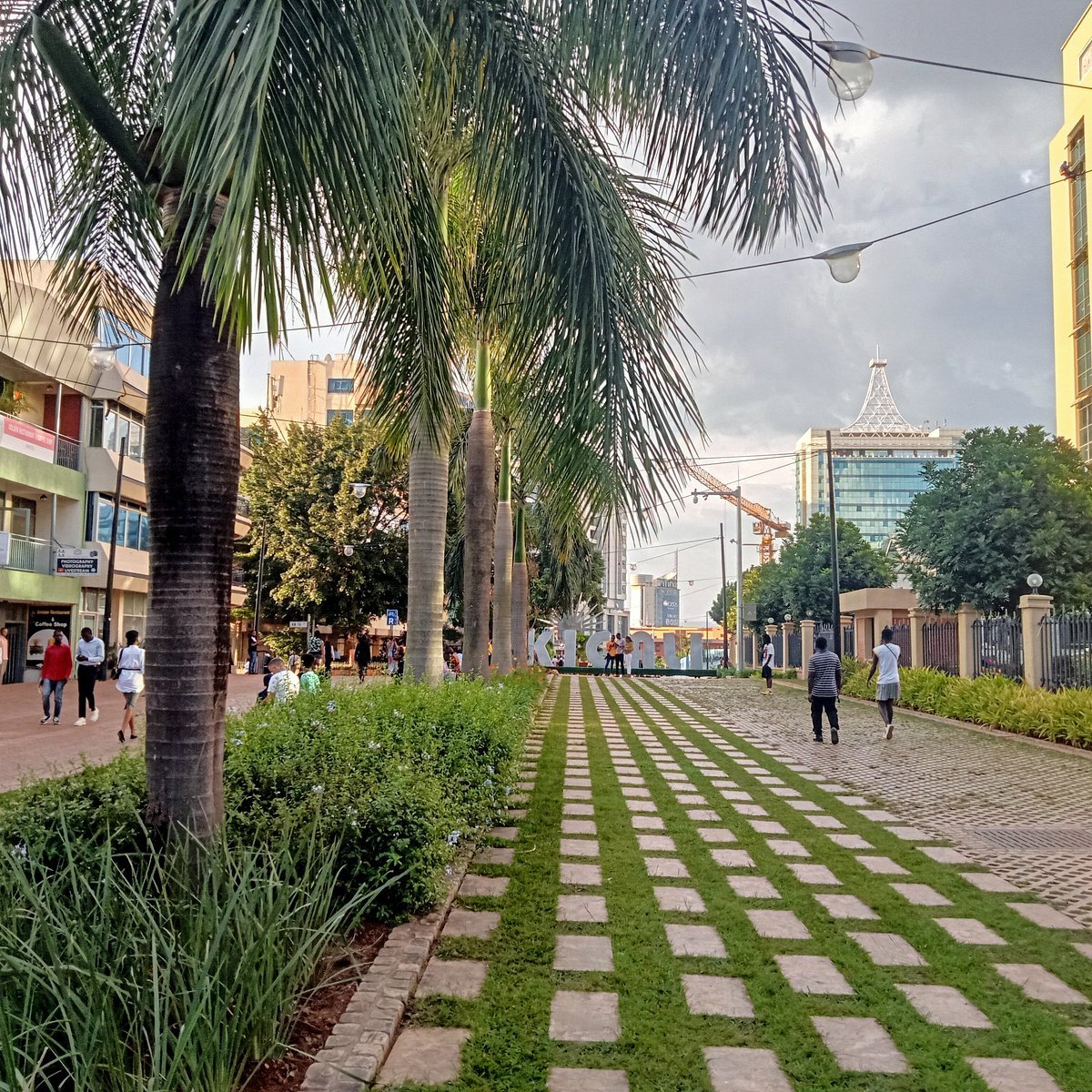
We already have a template in our own city. The car-free zone downtown works. People use it. Businesses inside it function. The lesson is not that cars are evil; it is that central streets generate more value for more people when they are not dominated by vehicles.
A city that belongs to cars belongs to no one. A city that belongs to people belongs to everyone.
The objections are answerable
The first objection is deliveries. Traders need goods. The answer is time windows: permit loading before 9am, designate service bays on the perimeter, and enforce it. Cities everywhere do this.
The second is commuters. People drive into the centre because alternatives are unreliable. So expand bus frequency, formalise moto-taxi stands at the edges of the zone, and add park-and-ride facilities on the ring road. Order matters: build the alternatives first, then restrict.
The third is parking. Residents and workers need somewhere to leave vehicles. Decentralised garages on the perimeter, priced fairly and served by shuttle, solve it — and they generate revenue rather than consuming public space.
What a car-free core would deliver
- Commerce: higher footfall and longer dwell times for shops and restaurants
- Health: cleaner air and safer streets for walking and cycling
- Equity: a centre accessible to the majority who do not own cars
- Identity: a downtown that reflects the city we say we are building
The cost of waiting
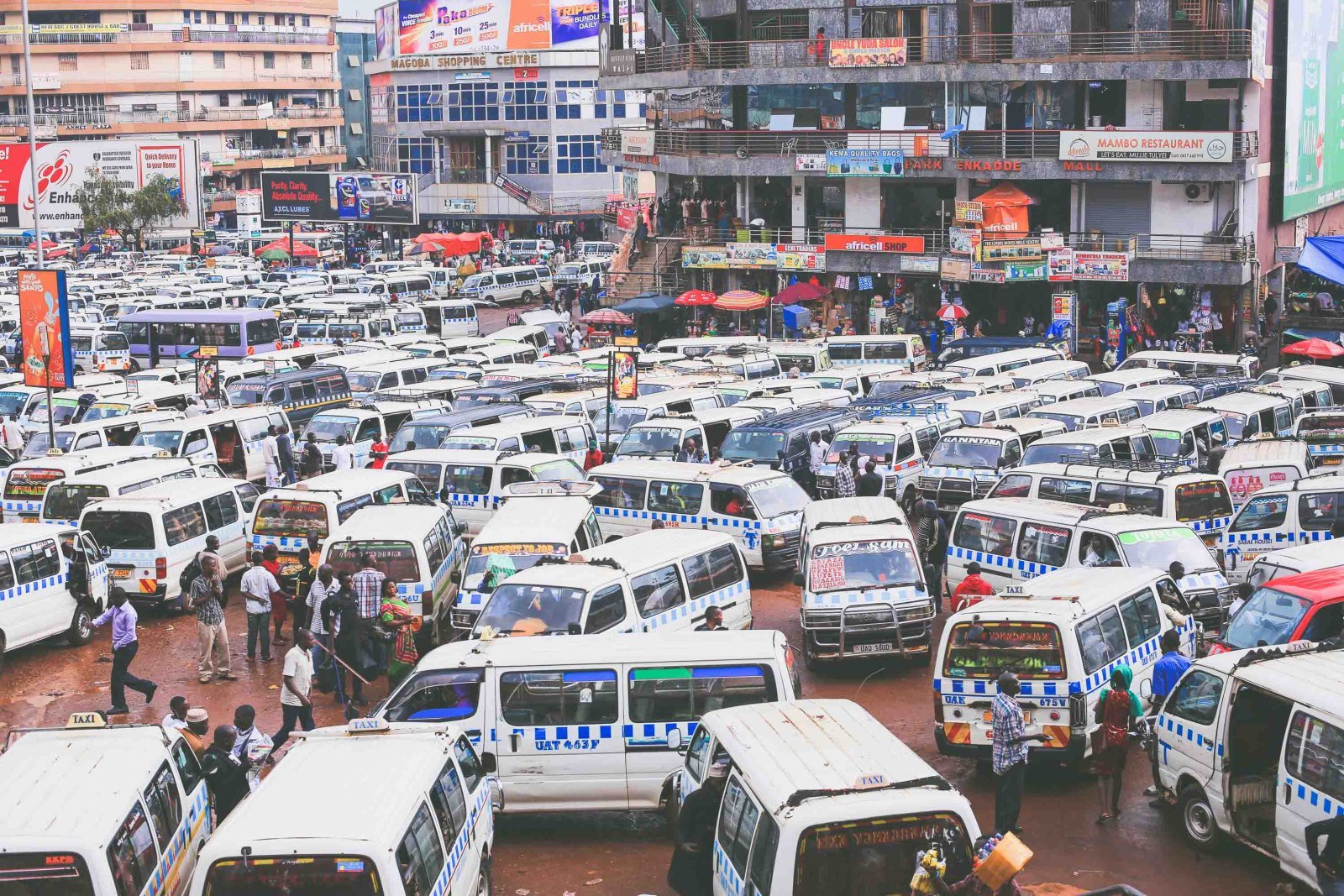
Every year of delay locks in another decade of congestion. Once a district is rebuilt around parking, retrofitting walkability becomes vastly more expensive. The decisions being made now about kerbs, lanes, and setbacks will shape the centre for fifty years.
Kigali has shown it can execute difficult policy: the plastic ban, Umuganda, disciplined development control. A car-free core is not a dream. It is a decision — and it is one this city is unusually well placed to make.