


In Kigali’s neighbourhoods, the mobile-money kiosk has become an unlikely symbol of financial transformation. Agents now outnumber bank branches in much of the country, and for millions of Rwandans the first experience of formal finance is a text message confirming a transfer.
The numbers are striking. The share of adults with access to formal financial services rose from around 48 percent in 2012 to over 90 percent today — one of the fastest expansions recorded anywhere on the continent. The change has been driven less by new banks than by mobile money, agency banking, and a regulatory environment willing to experiment.
Sandboxes and startups
Rwanda was among the first African countries to create a fintech regulatory sandbox, allowing startups to test products under supervision before full licensing. The framework lowered the cost of innovation and attracted companies working on payments, savings, insurance, and credit.
Put your brand in front of 12,000 engaged readers
Display · Newsletter · Sponsored features
Mobile-money interoperability — the ability to move money between networks and banks — was a critical unlock. So was the national digital ID programme, which simplified know-your-customer requirements and made it possible to open accounts remotely.
The goal is simple — make it as easy to move money as it is to send a text message.
What people actually use
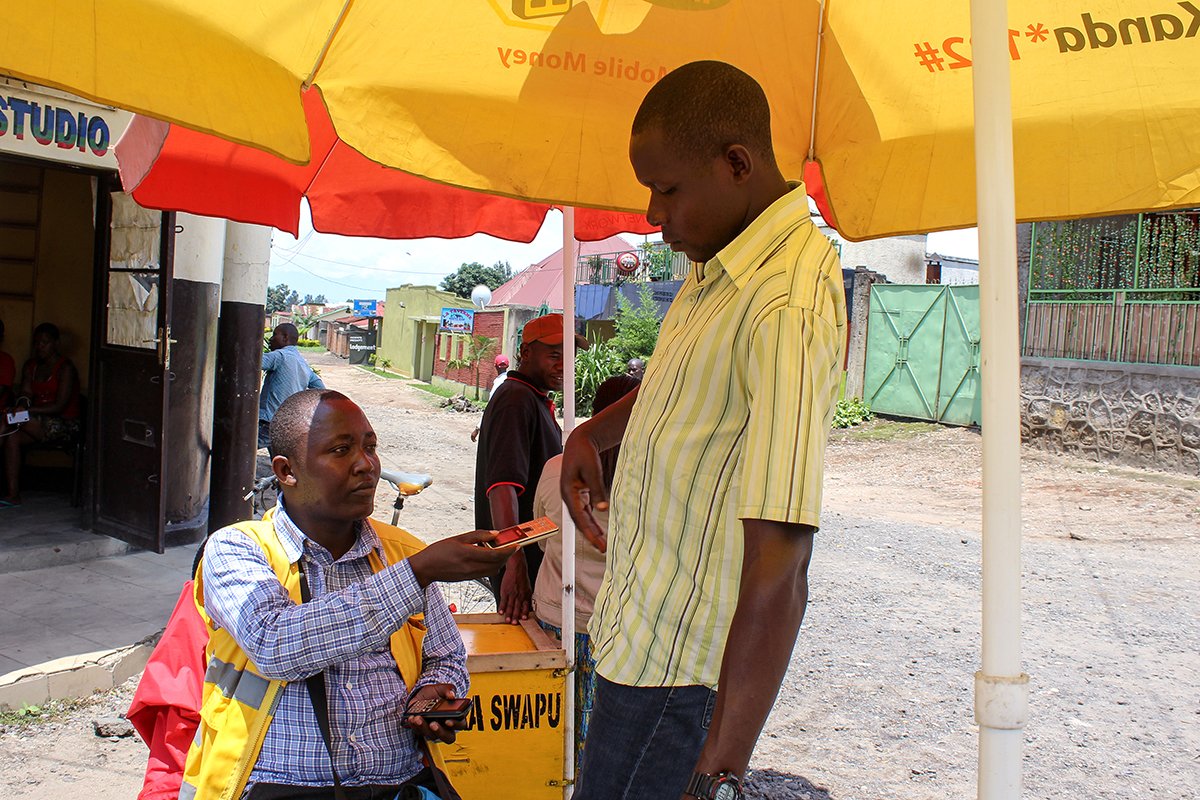
Day-to-day adoption is broad and practical. Market vendors accept payment by code taped to a table. Taxi and moto-taxi fares are settled by phone. School fees, utility bills, and savings-group contributions move through mobile wallets. Small merchants increasingly use point-of-sale apps on cheap smartphones.
- Mobile money: the dominant channel for transfers and bill payments
- Agency banking: cash-in and cash-out through thousands of local agents
- Digital credit: short-term loans scored using mobile and transaction histories
- Micro-insurance: policies sold in weeks, not years
Data becomes credit
The most consequential innovation is invisible. Lenders now assess creditworthiness using mobile histories, utility payments, and transaction patterns, extending small loans to people with no collateral and no formal credit record. Repayment rates, while variable, have been good enough to sustain the model.
That has opened financing to market traders, boda-boda riders, and smallholder farmers who were previously excluded. The loans are small and short, but they smooth cash flow in ways that matter enormously at household level.

The remaining problems
Interoperability is incomplete, fraud is a persistent threat, and the cost of data still limits usage among the poorest. Consumer protection is uneven, particularly for digital lending products with high effective interest rates. Rural coverage lags urban areas, and many users still need an agent to convert digital balances into cash.
Regulators are tightening rules on lending disclosures and strengthening cybersecurity requirements. The direction of travel, though, is one-way: Rwanda is betting that its future is cashless, and the infrastructure to get there is largely built.
The next phase is depth — savings, insurance, and investment products that turn access into resilience. That is a harder problem than payments, and the companies that solve it will define the next decade.

